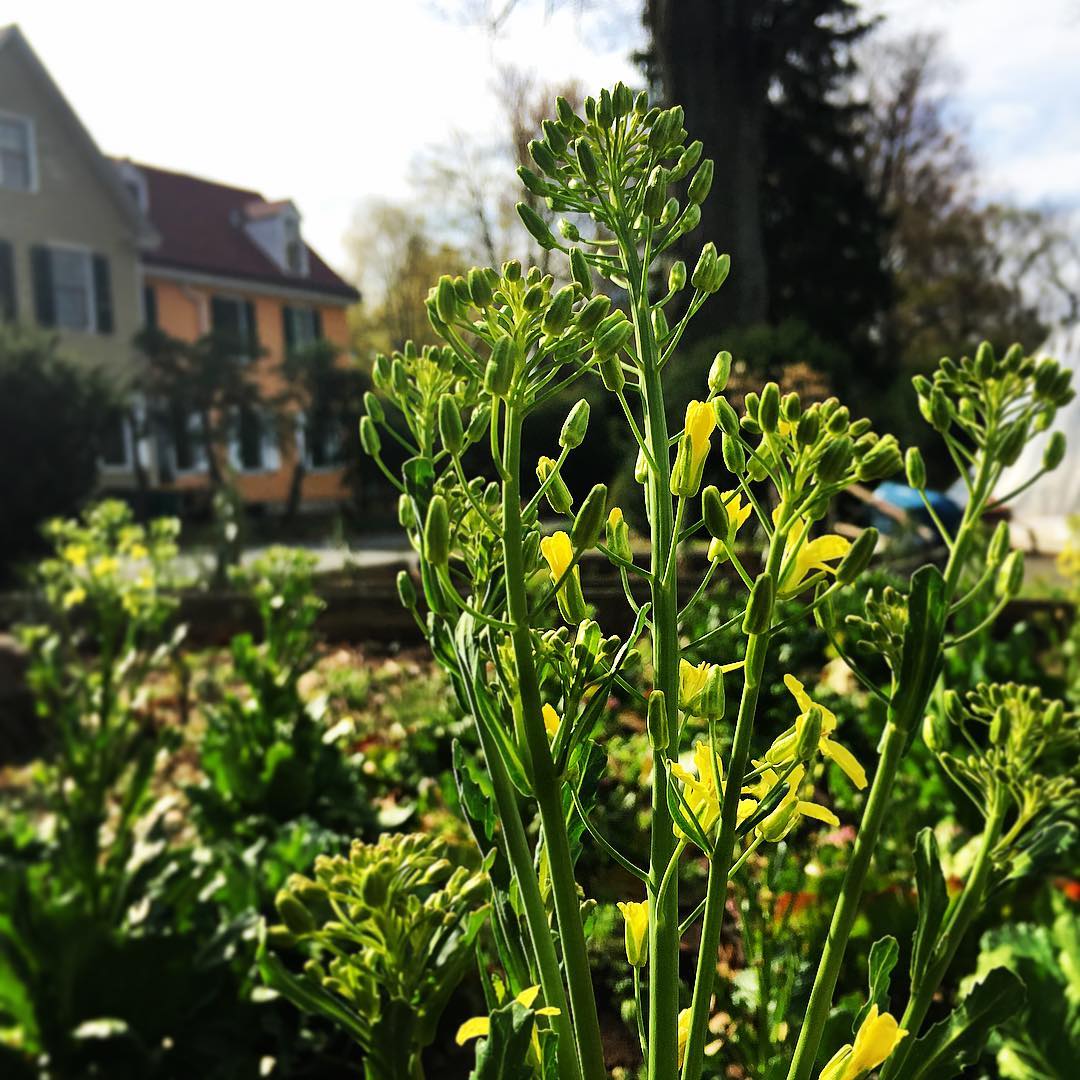
Yesterday this flowering was stressful, today it is a relief! Why? We over-wintered three varieties of Brassica oleracea (a species that includes cabbage, kale, collards, broccoli, brussels sprouts, cauliflower, etc) at Roughwood, with intentions to move two of them before they flowered, because they need about a half-mile between them to avoid unwanted cross-pollination. But spring fever is coming on early this year! So yesterday we brought our Caulet de Flandre plants (for those of you with @seedkeeping calendars, see tomorrow) to our friend Josh’s garden at the Garrett Williamson Foundation just days before their flowers are to open. And on Wednesday next week we will bring our Turnip-Rooted Cabbages to #kutztownseedfarm proabably just days before THEY will open. These Green Glaze Collards are amazing and delicious and RARE and I’m relieved that they are going to flower amongst themselves. I’m sure they’d be interesting with bulging purple stems or tall with purple leaves, but that’s not what we are going for: we are preserving our separate rare historically-important varieties. #greenglazecollards #cauletdeflandre #turniprootedcabbage #brassicaoleracea #brassica #seedsaving #seedkeeping #cruciferous #isolationdistance #roughwoodseedcollection
Blog
-
-
sixyearsofcollegedownthedrain:
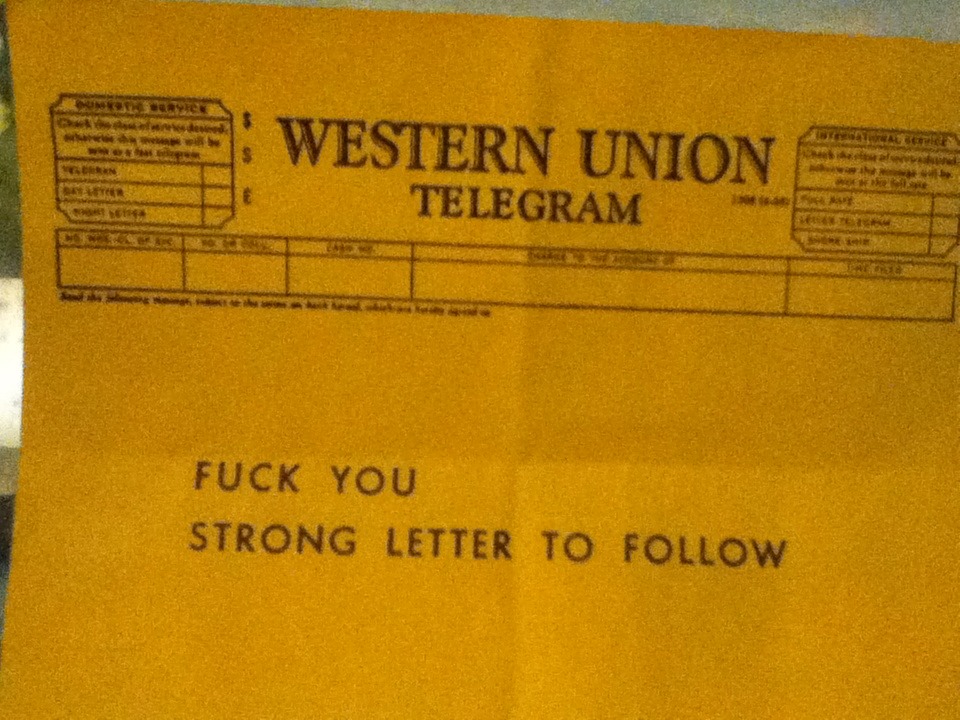
Anon hate from the late 1800’s.
What I love most about this is that this person was SO INCENSED at the recipient that they couldn’t even wait the days/weeks it would take for the mail to go through. No, they had to say “FUCK YOU” as soon as fucking possible and, AND, let the recipient that they were not done with the fuck you, nay, this was merely the first volley in what would undoubtably be a dressing down of Biblical proportions.
i will gleefully reblog this every time i see it
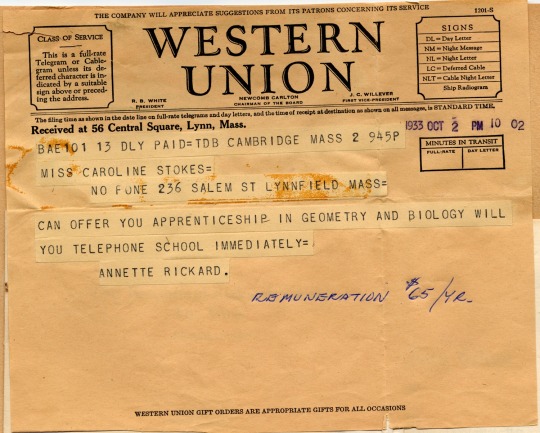
Look, I hate to spoil your fun, because it’s a cute idea, but please, put some more effort into the fraudulent telegrams. Real telegrams look somewhat different:
Tel
-
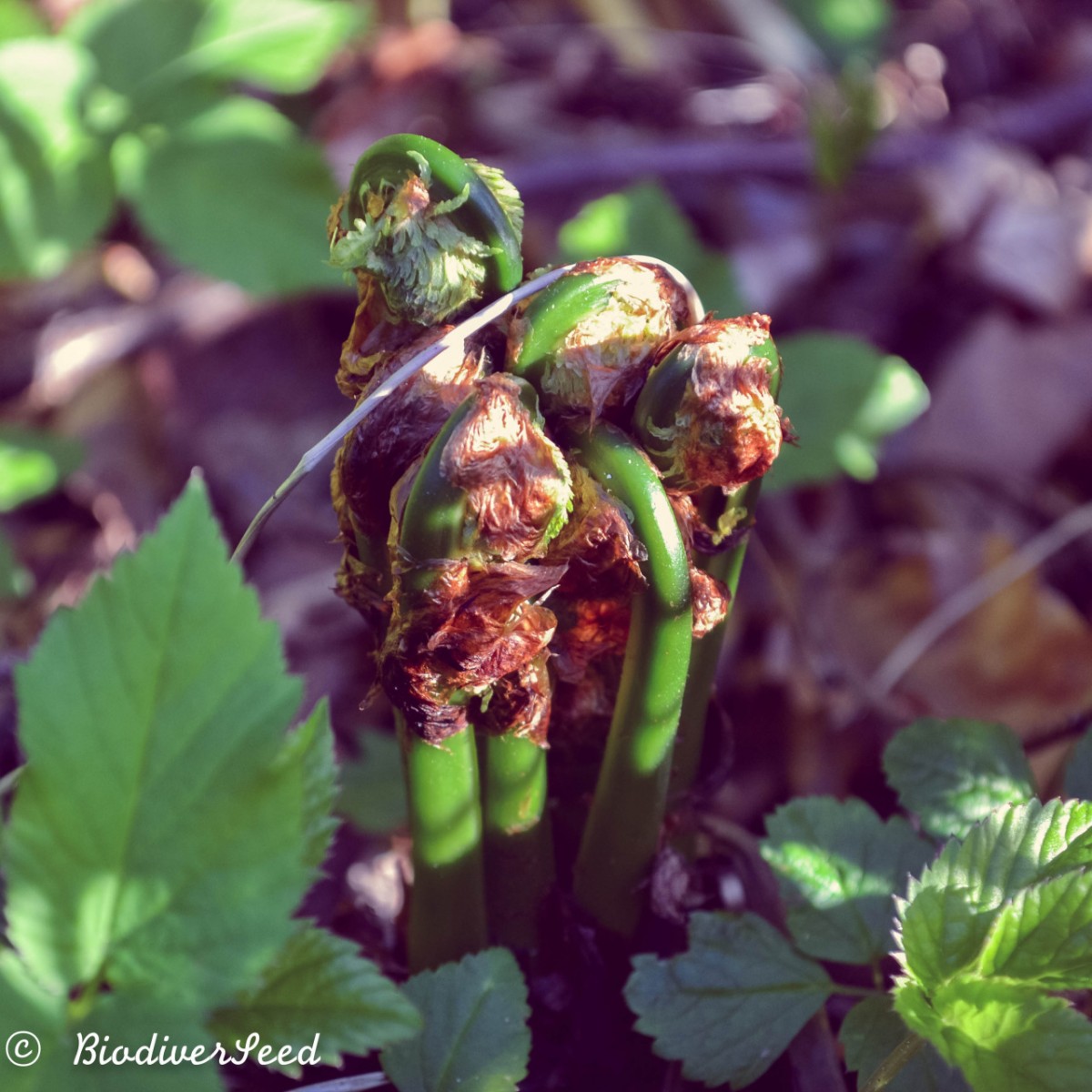
Fern Fiddleheads: Are they Edible?
Sola dosis facit venenum
In the springtime, a special delicacy to be had is the emerging, curled frond of the fern, called a fiddlehead because of it’s resemblance to the scroll of a fiddle.
Not all fiddleheads are classified as edible: among the most-consumed species are the Vegetable fern (Athyrium esculentum), Ostrich fern (Matteuccia struthiopteris), Royal fern (Osmunda regalis), Bracken (Pteridium aquilinum), Lady fern, (Athyrium filix-femina), and Western sword fern (Polystichum munitum).
Consumption of undercooked fiddleheads has led to several outbreaks of foodbourne illness: they are difficult to clean, and therefore require a certain amount of heat before they are safe to ingest.

Image: Summer Tomato
Additionally, species like the Bracken, though widely consumed in Eastern Asia, are known to be carcinogenic, and the Ostrich fern is known to cause adverse health effects. Some ferns contain the enzyme thiaminase, which breaks down thiamine, and can lead to vitamin B complex deficiencies. Thus, ferns meant for consumption should be carefully identified, and eaten in moderation.
Despite all warnings, if properly identified and carefully-prepared, fiddleheads are a rich source of omega-3 and omega-6 fatty acids, dietary fibre, iron, and potassium.
I am not a fan of the taste of fiddleheads, and they are what I would call “marginally edible” – like tulips, they have a place in my edible landscape essentially as a last resort, or famine food.
Others regard them as a delicacy, however, and globally, their consumption has a rich ethnobotanical history. They are certainly a lovely addition to the ecology of an edible forest understory. I regularly transplant offsets of the Ostrich fern to form dense colonies under newly-planted trees.
More on foraging, health, edible landscaping, and eating the weeds
I feel compelled to add to this post, like any other conversation about foraging: be mindful of where and what you gather.
I’m not anti-foraging, in general. Ethnobotany is an awesome field of study and there is a lot of good that comes of people getting in touch with their local ecosystems on a foraging sort of level. I’ve taken and given classes on wild edibles. My boss wrote a book on them.
But right, ok, we get people poaching fiddleheads in the forest preserves where I work every year a little past this time, sometimes by the sackful. Yeah, it counts as poaching, even when it’s plants–and there’s some serious fines if you get caught. There are plenty of common ferns growing in our forest, and a lot more uncommon ones. They all get a lot more uncommon when the poachers come through.
The big bag-full-of-greens poachers are bad news. They wipe out native plant populations. They dig up rare flowers to sell for people’s gardens. Species that are nowhere near threatened or endangered on any list suddenly disappear from an area. There are supposed to be morels, in our woods. They’re supposed to be growing there and decomposing trees and leaves and everything else, to keep the nutrient cycle going. Every once in a while, one of our staff ecologists will see a small patch and keep it secret from everybody but the other ecologists. They’re always gone by the time anybody goes back.
If you care enough about native ecosystems and sustainability and so on to be really interested in ethnobotany and foraging, chances are you already know the big-bag-of-greens poachers are terrible. You already know it doesn’t make a big difference to local ecology, if one person takes a handful of fiddleheads for themselves out of a healthy ecosystem with a thriving fern population. That’s the kind of foraging humans have been doing for thousands of years. It’s sustainable. That would be fine. But you can’t have that, in a public nature preserve. Not even the small handful.
Think of it this way: nature preserves belong to whatever organization, usually governmental, that administers them, and in a roundabout way therefore belong collectively to the taxpayers as a whole. Which means that every single taxpayer, every kid who wants to go tromping through the woods and trampling over the trillium to get to the garlic mustard we’d honestly love to get rid of, and every high-end chef who just wants a couple of handfuls of wild ramps for a one-night special, and every single person who heard that wild ginseng is twice as potent as the cultivated stuff, and yeah, everybody who wants to try fiddlehead ferns–they all have the same rights to go out there and start grabbing stuff. Every single one of them.
In an ideal world, nobody would ever think of touching the endangered species and we’d be giving garlic mustard away by the sackful until we got rid of it all (it makes a really tasty pesto), but unfortunately we don’t live in one of those. The only way to make it work, and legal, and sustainable, and all of those other complicated-intertwined concepts that come up when the government is trying to preserve natural space, is to just say no. Don’t do it. Period.
So yeah. Go find native edibles! Plant native edibles! Enjoy them, forage for them, harvest them, go wild, just be mindful of where you’re grabbing from. Tragedy of the commons. Trust me, I can assure you, the beleaguered staff of whatever public preserve might be near you already have enough on their plate battling buckthorn and loosestrife and deer overpopulation and brand new highway development. Don’t do the thing.
This is very important info–reblogging for it.
As it happens, I was thinking about this the other day–I grow goldenseal in my garden (for no other reason than I think it’s neat) and it’s just coming up in the garden now. It’s one of the plants locally that’s massively under threat in the wild because people harvest goldenseal from the wild for use in alternative medicine. (And if it was just somebody going out and harvesting a couple roots for their own use, that would be one thing, but it’s usually people yanking it up in quantity to sell.)
There is nothing inherently wrong with foraging, but the line between foraging and poaching is one you always want to stay on the correct side of.
(As always, of course, the people who worry about this are probably not the ones who need to–if you’re panicking over picking a daisy, that’s one thing.* if you’re one of those bastards who shovel up Venus fly-traps by the hundreds to sell for a buck at the flea market, that’s quite another, and I hope that there is a suitably ironic punishment awaiting you in the afterlife.)
*But seriously, unless you know it’s a common plant, err on the side of caution. Stuff like lady’s slipper and trillium and jack-in-the-pulpit don’t just grow another flower.
-


new name guys
“Looks like you have a pretty nice grasp on your gender identity, IT WOULD BE A SHAME IF SOMETHING WERE TO HAPPEN TO IT”
“Gonna break all the gender norms, see? Then bust a few banks, see? M’yeah! Gonna be a hot time in the old town tonight, see?”

Henceforth all safe spaces will be referred to as speakeasies, where we will serve black-market moonshine and gender fluid.
I wish my cintiq and desk weren’t currently disassembled, because I would draw the everloving fuck out of the transgender mafia.
-
Oh my fucking god, replies have made a comeback! Praise the lord. I put it on my settings that everyone can reply and you’re welcome to reply as much as you like.
But you may as well reblog with comments or send asks or chat me in the messenger if you like or prefer, I like communication anyway. Don’t ever think you’re bothering me, I swear to you, you’re not.
I see that you have to turn replies on? Where in your settings do you do that? I don’t see it, and I don’t know whether it hasn’t propagated to my settings yet or I’m looking in the wrong place.
Blog settings – https://www.tumblr.com/settings/blog – on mine it’s the sixth item down, under the settings for sharing Likes and Followings and above the settings for the Ask box.
There are three choices offered: “Everyone can reply”, “Tumblrs you follow and Tumblrs following you for a week can reply”, and “Only Tumblrs you follow can reply”. The middle one was selected by default when I went to look at my settings.
ENFURMATION.
I have put mine on “Everyone can reply”. If I begin to get spam replies, I may put it back to mutuals and followers.
(On tumblr mobile, it’s greyface button > Settings > Replies > a list of your tumblogs showing the current setting for each > a page where you can change the setting for the specific tumblr you just clicked on. For the record. XD)
-
Meanwhile, in Scotland.
What cartoon is this
go cows, go!
-
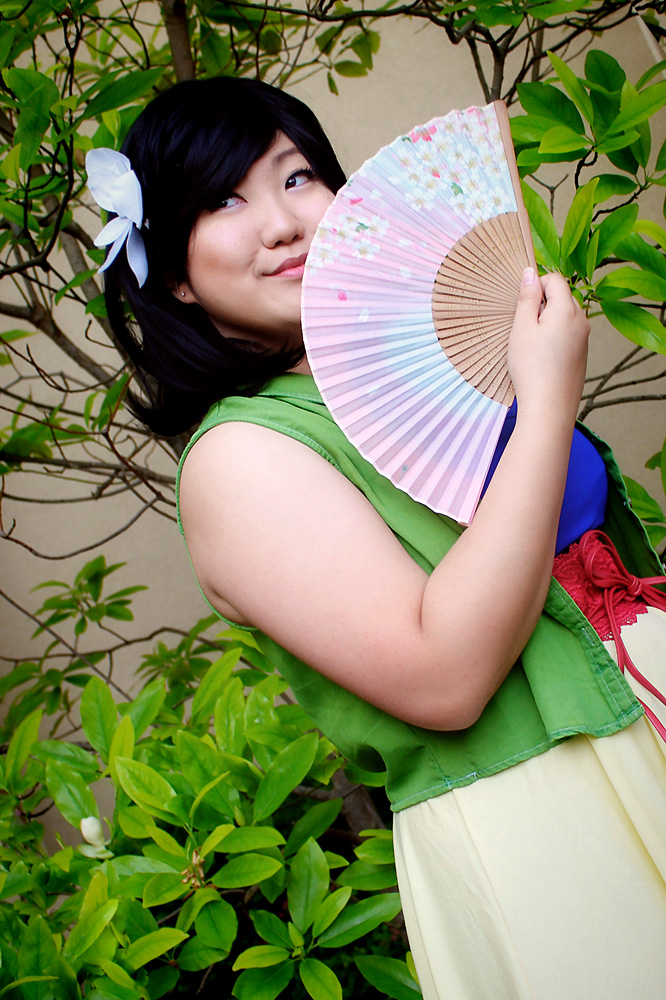
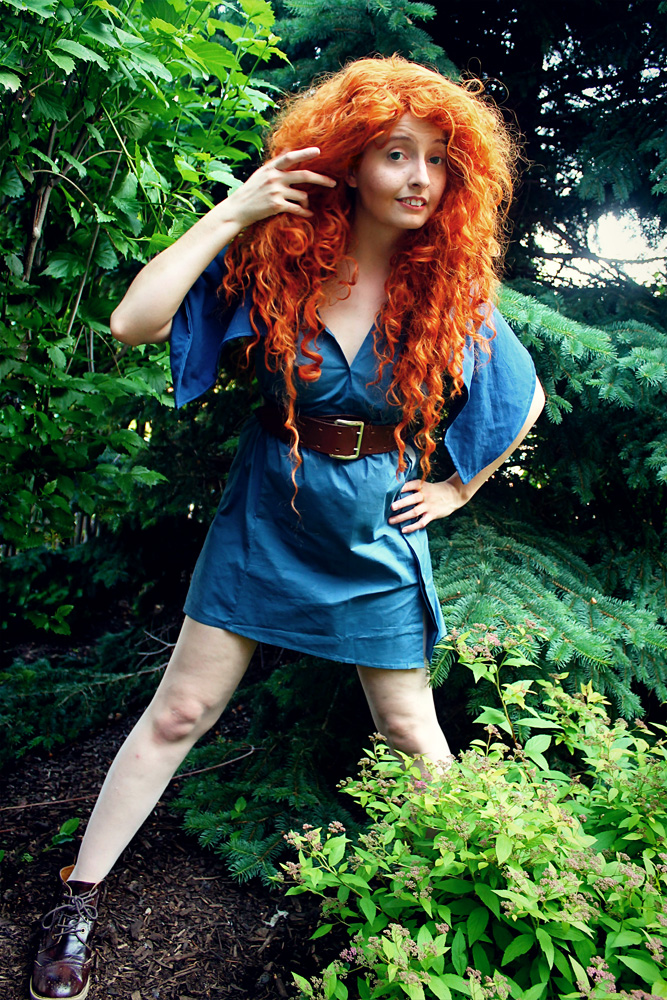
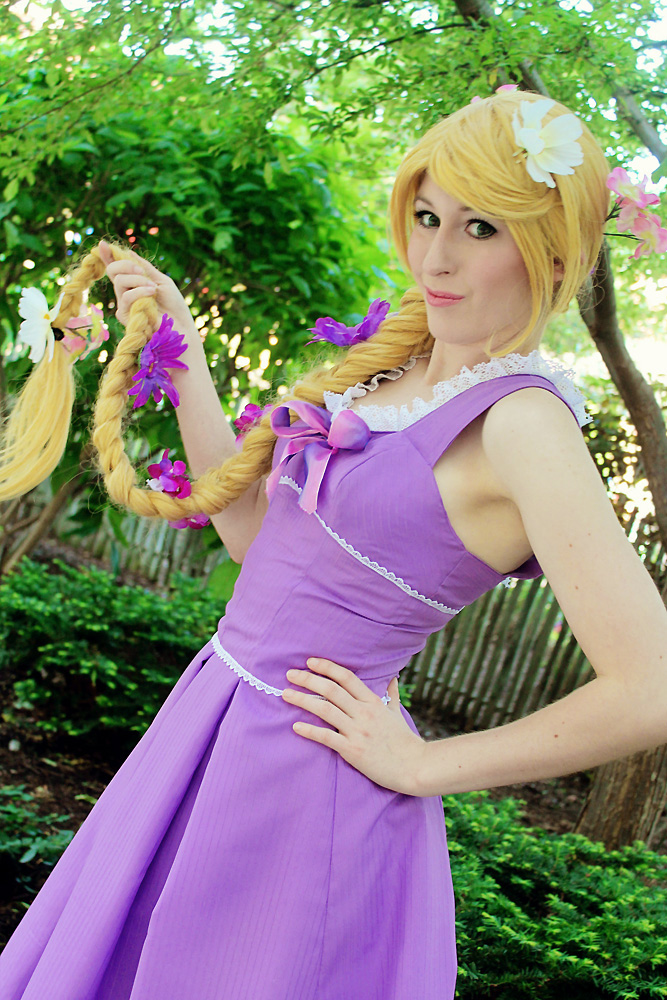
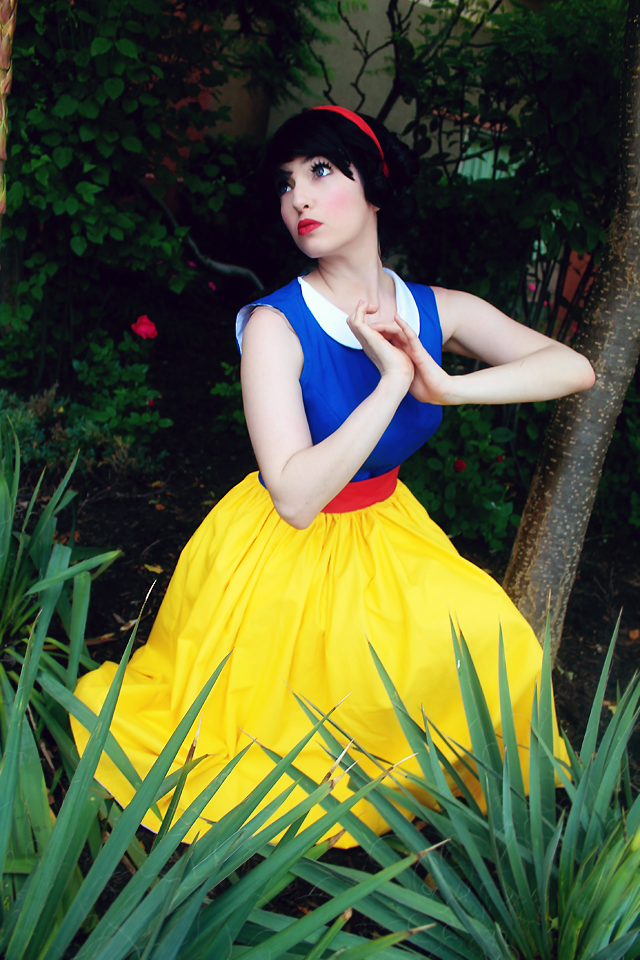
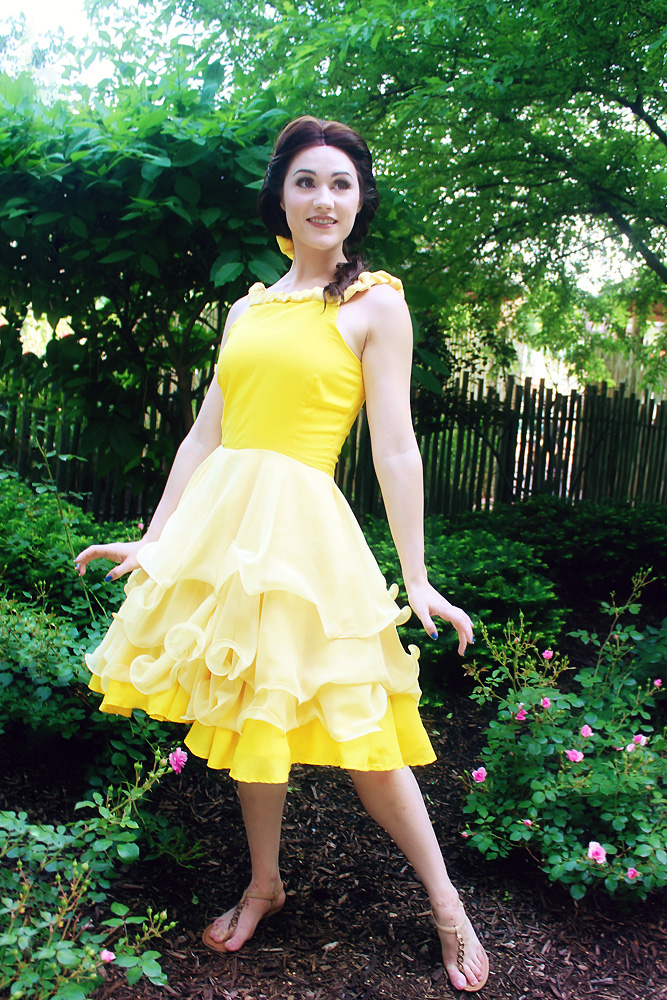
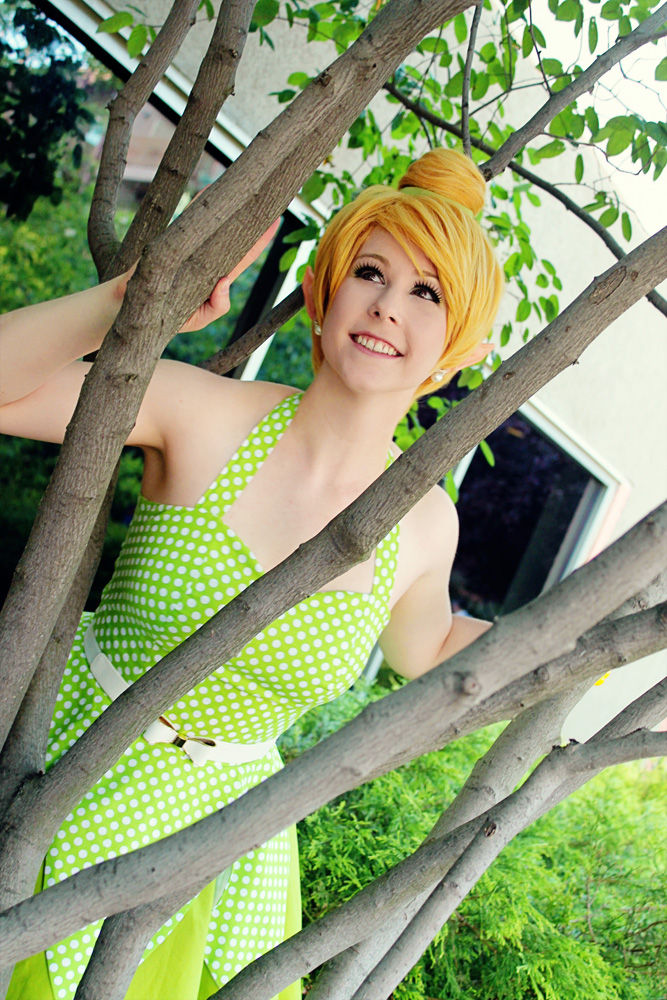
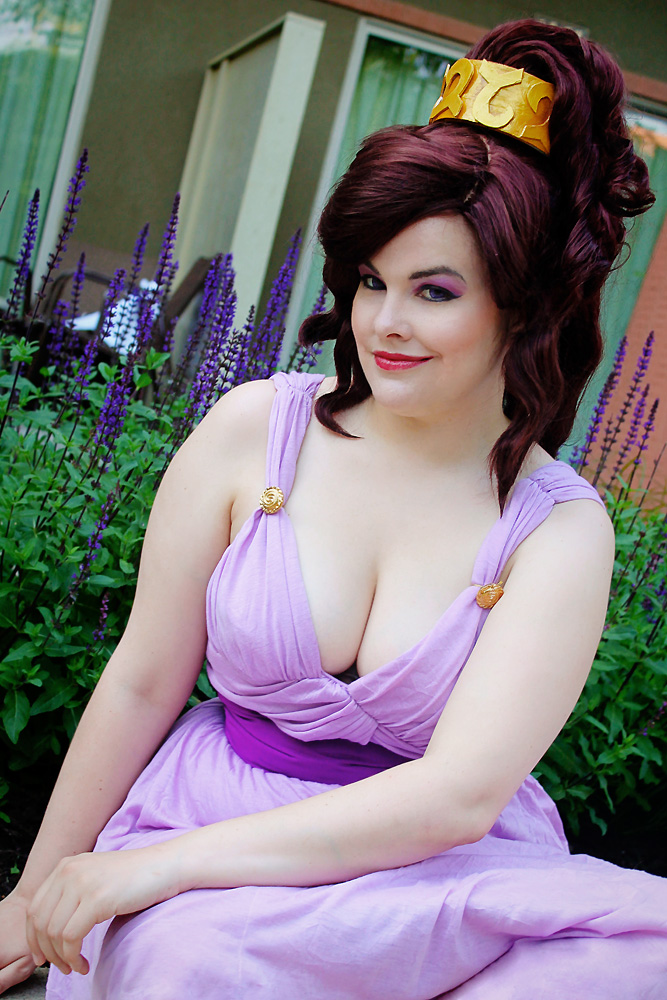
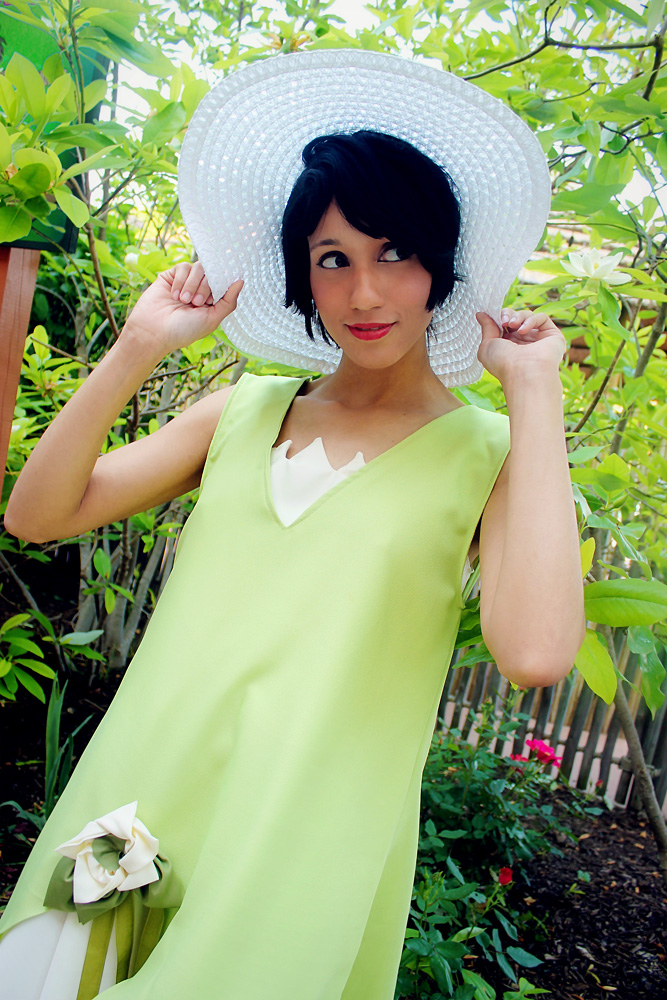
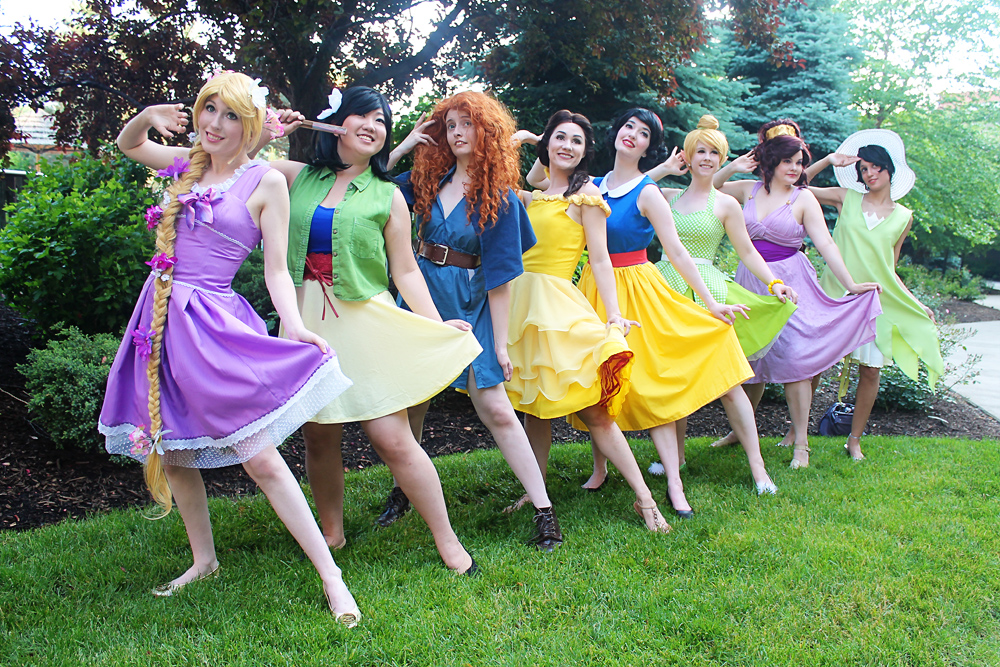
Vintage-Inspired Disney Sundresses
Colossalcon 2015? Rapunzel / Mulan / Merida / Belle
? Snow White / Tinkerbelle / Megara / Tiana
? Photographytiana is white now?
I’m actually black! But thank you for trying to make an ignorant statement about things you don’t know!
(I know it’s hard for you to believe, so here’s a picture of me with my father:

Regardless of skin tone, people can also cosplay whoever they want to! Regardless of size, race, gender or anything. If someone who was white wanted to cosplay Tiana because Tiana is their favorite princess, then my god let them. People can’t help what skin tone they are born with. As long as they are respectful then let them have fun.
But sorry my skin tone doesn’t fit your standards.
(????)


Re-reblogging for quality commentary.