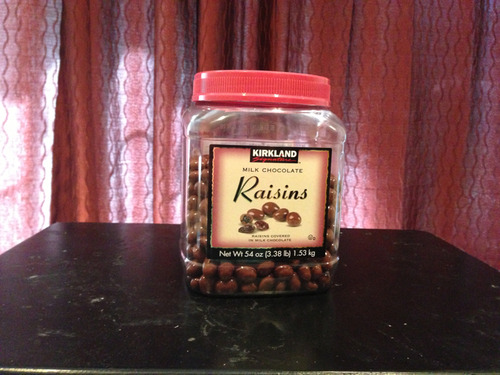
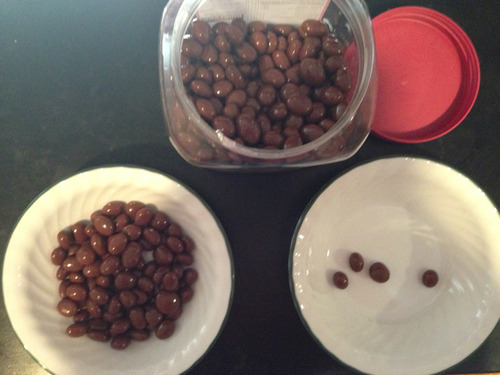
Actually it is a jar full of chocolate covered raisins on top of a dirty TV tray. But pretend the raisins are interesting and well rounded fictional characters with significant roles in their stories.
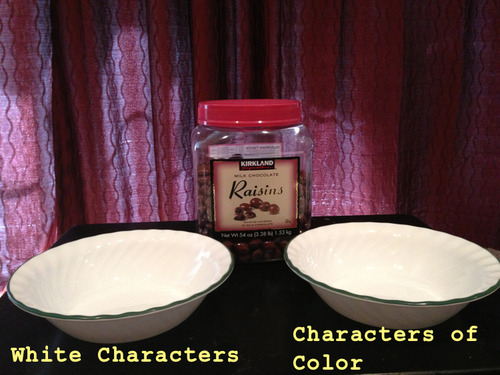
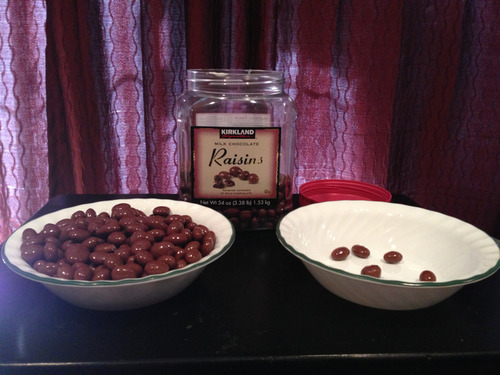
We’re sharing these raisins at a party for Western Storytelling, so we get out two bowls.
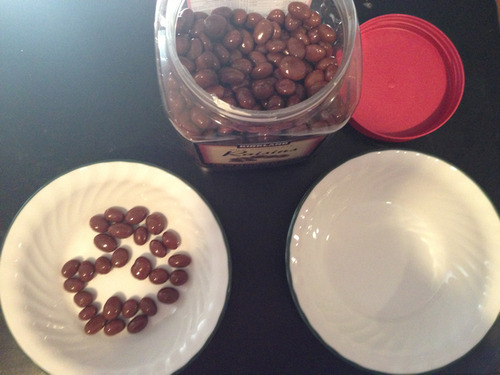
Then we start filling the bowls. And at first we only fill the one on the left.
This doesn’t last forever though. Eventually we do start putting raisins in the bowl on the right. But for every raisin we put in the bowl on the right, we just keep adding to the bowl on the left.
And the thing about these bowls is, they don’t ever reset. We don’t get to empty them and start over. While we might lose some raisins to lost records or the stories becoming unpopular, but we never get to just restart. So even when we start putting raisins in the bowl on the right, we’re still way behind from the bowl on the left.
And time goes on and the bowl on the left gets raisins much faster than the bowl on the right.
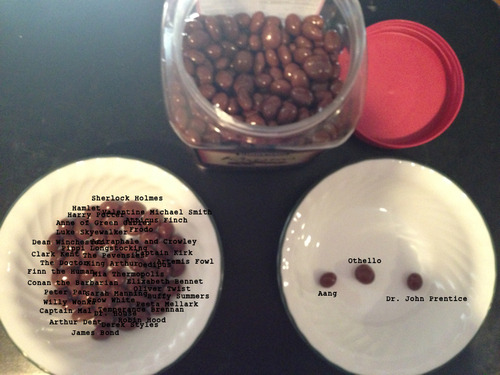
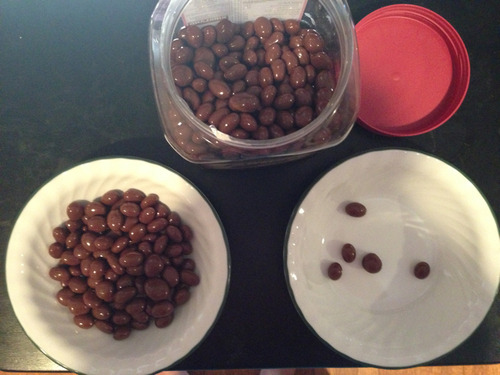
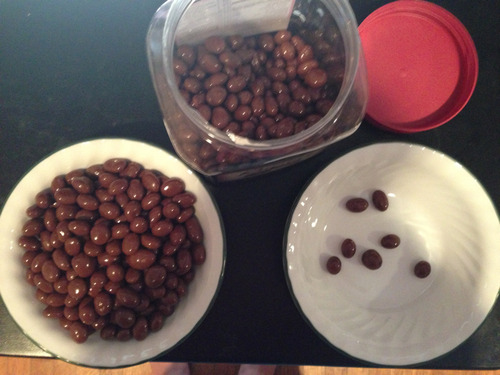
Until these are the bowls.
Now you get to move and distribute more raisins. You can add raisins or take away raisins entirely, or you can move them from one bowl to the other.
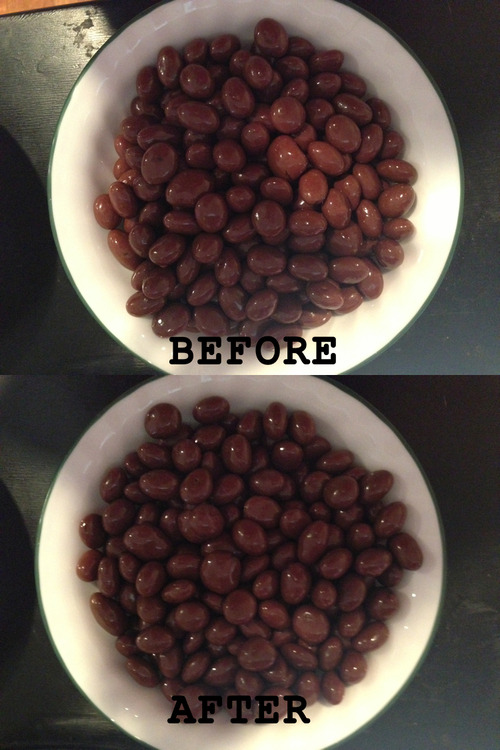
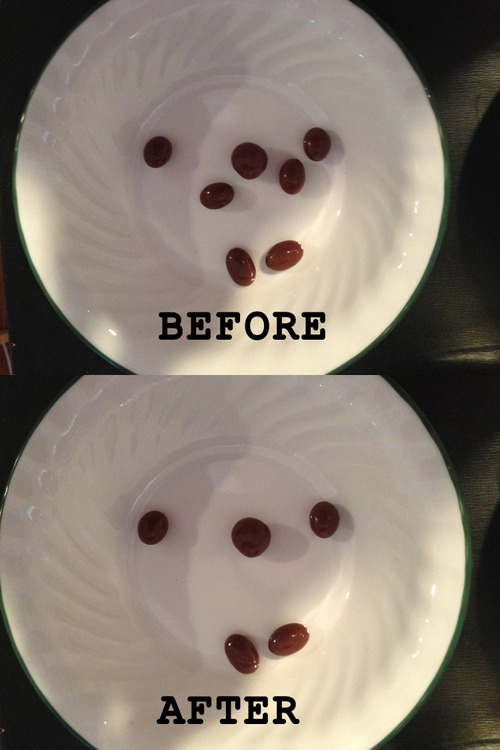
This is the bowl on the left. I might have changed the number of raisins from one picture to the next. Can you tell me, did I add or remove raisins? How many? Did I leave the number the same?
You can’t tell for certain, can you? Adding or removing a raisin over here doesn’t seem to make much of a change to this bowl.
This is the bowl on the right. I might have changed the number of raisins from one picture to the next. Can you tell me, did I add or remove raisins? How many? Did I leave the number the same?
When there are so few raisins to start, any change made is really easy to spot, and makes a really significant difference.
This is why it is bad, even despicable, to take a character who was originally a character of color and make them white. But why it can be positive to take a character who was originally white and make them a character of color.
The white characters bowl is already so full that any change in number is almost meaningless (and is bound to be undone in mere minutes anyway, with the amount of new story creation going on), while the characters of color bowl changes hugely with each addition or subtraction, and any subtraction is a major loss.
This is also something to take in consideration when creating new characters. When you create a white character you have already, by the context of the larger culture, created a character with at least one feature that is not going to make a difference to the narratives at large. But every time you create a new character of color, you are changing something in our world.
I mean, imagine your party guests arrive
Oh my god they are adorable!
And they see their bowls
But before you hand them out you look right into the little black girls’s eyes and take two of her seven raisins and put them in the little white girl’s bowl.
I think she’d be totally justified in crying or leaving and yelling at you. Because how could you do that to a little girl? You were already giving the white girl so much more, and her so little, why would you do that? How could you justify yourself?
But on the other hand if you took two raisins from the white girl’s bowl and moved them over to the black girl’s bowl and the white girl looked at her bowl still full to the brim and decided your moving those raisins was unfair and she stomped and cried and yelled, well then she is a spoiled and entitled brat.
And if you are adding new raisins, it seems more important to add them to the bowl on the right. I mean, even if we added the both bowls at the same speed from now on (and we don’t) it would still take a long time before the numbers got big enough to make the difference we’ve already established insignificant.
And that’s the difference between whitewashing POC characters and making previously white characters POC. And that’s why every time a character’s race is ambiguous and we make them white, we’ve lost an opportunity.
*goes off to eat her chocolate covered raisins, which are no longer metaphors just snacks*
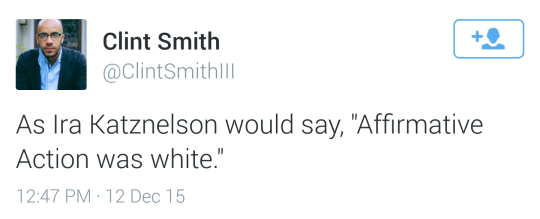
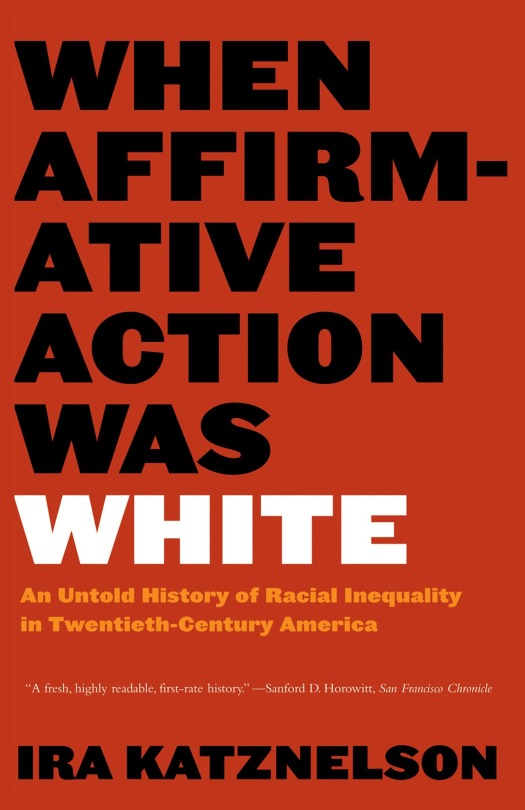
It’s a shame @philsandifer closed out his discussion with the I’m-not-racist-but fuckburger, because this would’ve been the perfect clue-by-four to put upside that assclown’s alleged head.
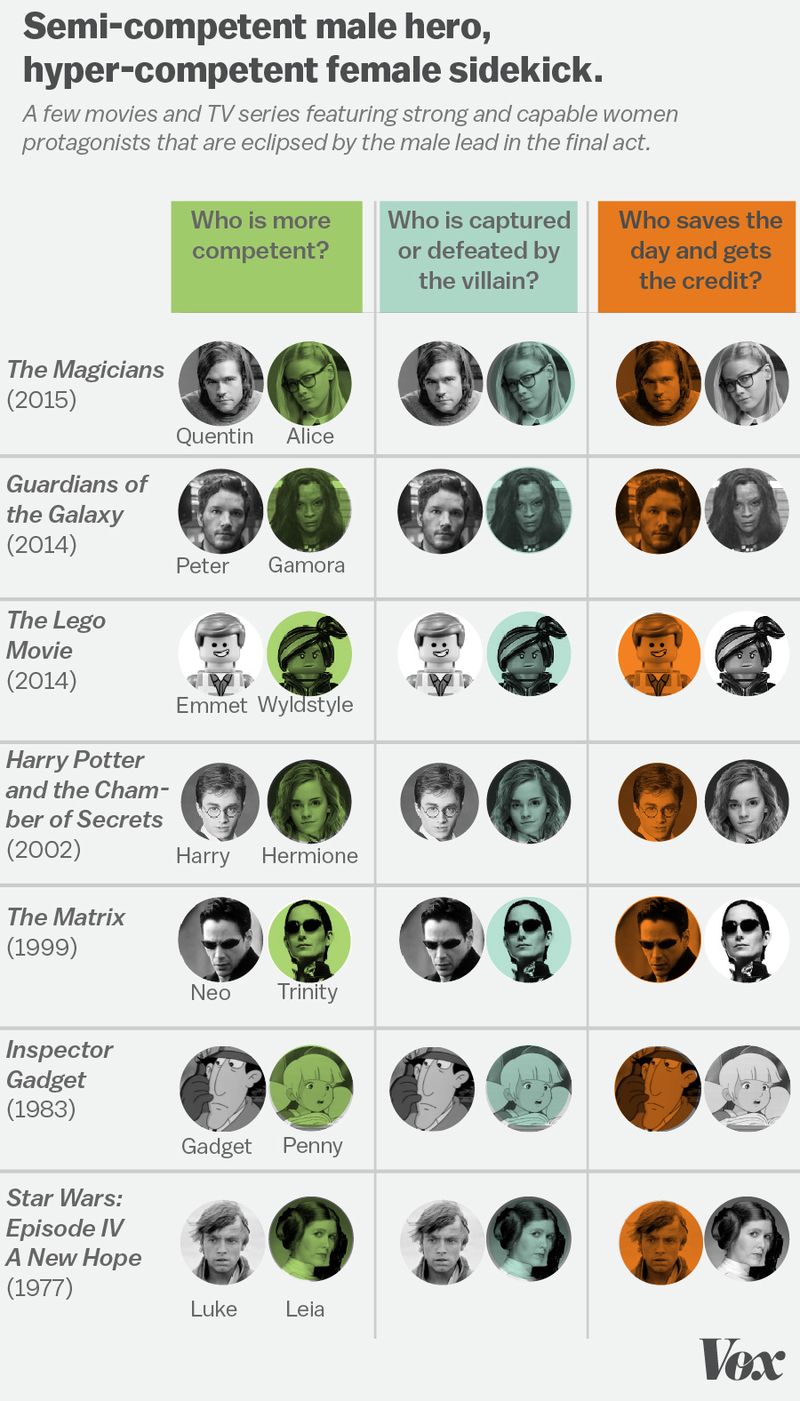
@vox takes on the trope of the hypercompetent female sidekick. You know her – the one who’s the smartest, toughest and most capable yet ends up being rescued by the less talented, but extremely straight, white, cisgender and male hero.
This intersects well with discussions about the pay gap and obstacles women face in their careers. For those of us who aren’t straight white cisgender men – the persistence of being typecast as not-the-hero (or the boss, or the leader, or the expert commenter) despite qualifications, talents and capabilities is a lived reality.
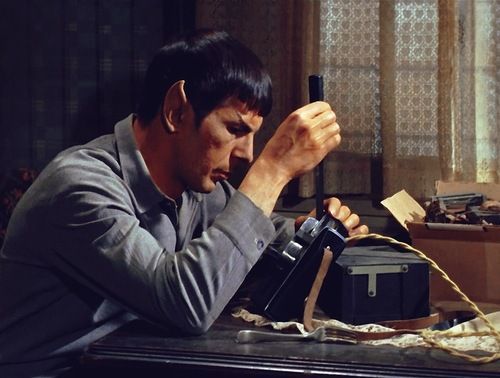
Images: Table stating which character is most competent, who gets captured, and who saves the day. Examples included are:
Quentin and Alice from The Magicians (2015 tv adaptation),
Peter/Star Lord and Gamora from Guardians of the Galaxy (2014),
Emmet and WyldStyle from The Lego Movie (2014),
Harry and Hermione from Harry Potter and the Chamber of Secrets(2002),
Neo and Trinity from The Matrix (1999),
The Inspector and Penny from Inspector Gadget (1983),
Luke and Leia from Star Wars Episode IV: A New Hope.
In every example, the male character saves the day, while the female character is more competent and gets captured.
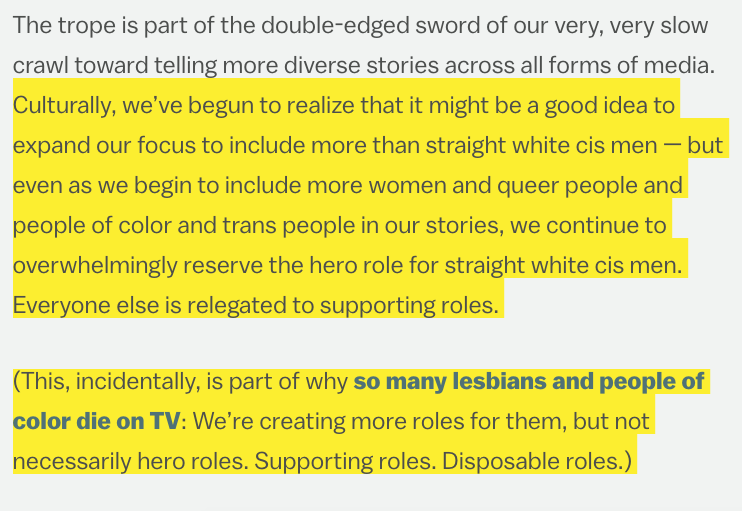
The text in the image beneath the table is an excerpt from the article that reads:
The trope is part of the double-edged sword of our very, very slow crawl toward telling more diverse stories across all forms of media. Culturally, we’ve begun to realize that it might be a good idea to expand our focus to include more than straight white cis men — but even as we begin to include more women and queer people and people of color and trans people in our stories, we continue to overwhelmingly reserve the hero role for straight white cis men. Everyone else is relegated to supporting roles.
(This, incidentally, is part of why so many lesbians and people of color die on TV: We’re creating more roles for them, but not necessarily hero roles. Supporting roles. Disposable roles.)
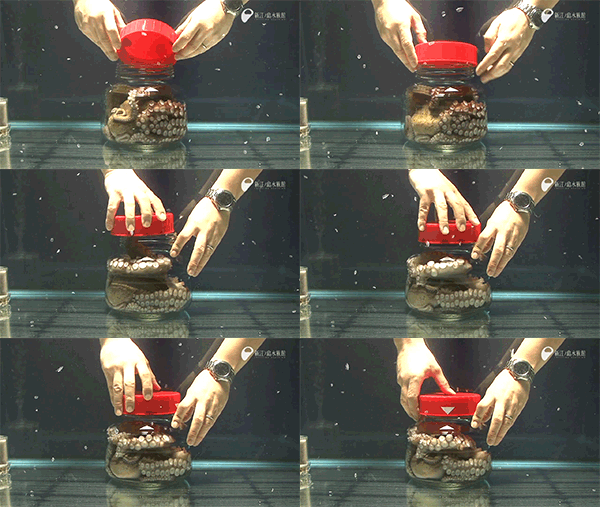
I had a biology teacher that told us this story about an octopus at an aquarium in Australia. The staff were concerned because their population of crustaceans kept disappearing. No bodies or anything. So they checked the video feed to find out what’s up.
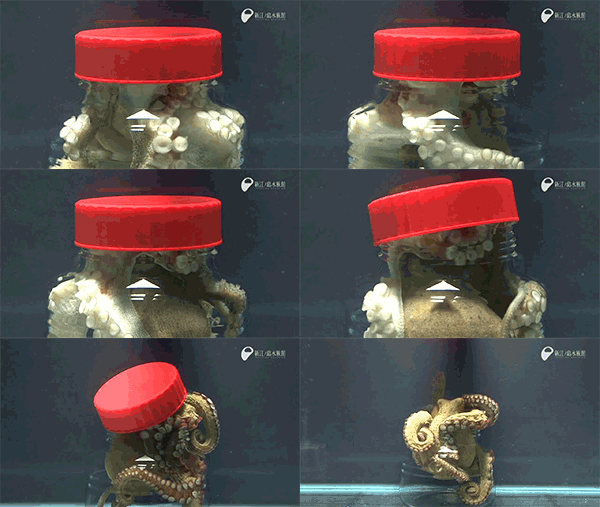
Across from the the crustacean tank was a small octopus tank. This little fucker squeezed out of a tiny hole at the top of his tank, walk across the hall, and get into the crustacean tank. He would then hunt and eat. After he was done, he crawled back out and get back in his tank
Here’s the kicker: security guards patrolled the area. The staff realized that the octopus had memorized the security’s routine. It would escape and be back between the guards’ round.
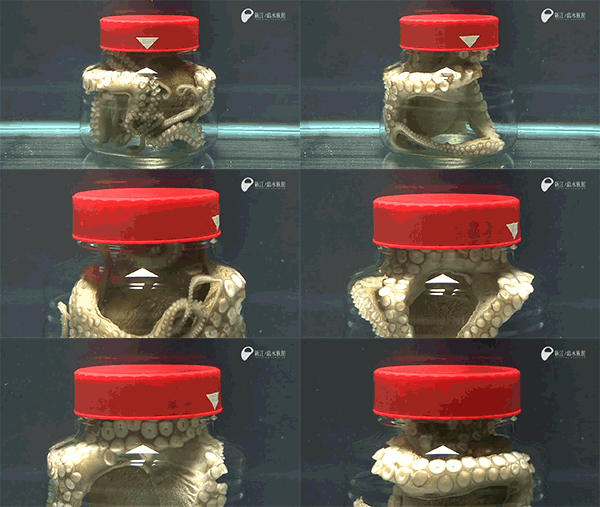
My friend who worked at Henry Doorly Zoo in Omaha, Nebraska had a similar story. Rare fish were disappearing, they suspected theft, and so set up a camera. An octopus was unlocking the top of its tank, walking across the suspended walkway, unlocking the other tank, eating his fill, re-locking the other tank, then re-locking its own tank.
I can’t remember what zoo this happened at, but there was another octopus somewhere who was unscrewing a water valve in the room where its tank was located and routinely flooding the place. The staffers had no idea what it was until they filmed the octopus caught in the act.
RELEASE THE KRAKEN!! But, sir, it has already released itself!
My dad worked in a lab and one of the rooms had a tank with an octopus in it. If they didn’t go play with the octopus he got bored and would climb out of his tank and steal the paperwork off the desks, and drag stuff into his tank to let the scientists know he was upset with them.