the FBI’s secret rules for targeting journalists and sources with National Security Letters (NSLs)—the controversial and unconstitutional warrantless tool the FBI uses to conduct surveillance without any court supervision whatsoever.
Freedom of the Press Foundation has been suing the Justice Department (DOJ) under the Freedom of Information Act for these secret rules for the past year. Just two weeks ago, a coalition of three dozen news organizations, including the New York Times and Associated Press, demanded the DOJ release them. The DOJ, so far, has refused.
The leaked rules The Intercept has published give us a revealing and startling look at how the FBI can conduct surveillance of journalists in complete secrecy and with no court oversight.
First, the rules clearly indicate—in two separate places—that NSLs can specifically be used to conduct surveillance on reporters and sources in leak investigations. This is quite disturbing, since the Justice Department spent two years trying to convince the public that it updated its “Media Guidelines” to create a very high and restrictive bar for when and how they could spy on journalists using regular subpoenas and court orders. These leaked rules prove that the FBI and DOJ can completely circumvent the Media Guidelines and just use an NSL in complete secrecy.
Second, the DOJ told the New York Times in 2013 that, despite NSLs being exempt from the media guidelines, they were still used under a “strict legal regime.” Well, the “strict legal regime” here is basically non-existent. The only extra step the FBI has to go through to spy on journalists with an NSL—besides the normal, lax NSL procedures, which they have flagrantly andrepeatedly violated over the past decade—is essentially get the sign off of a superior in the Justice Department. That’s it! They don’t have to even go through the motions for following any of the several rules laid out in the DOJ media guidelines: like get the Attorney General to sign off, exhaust all other means of investigation, alerting and negotiating with the affected media organization, making sure what is being sought is essential to the investigation, etc.
The leaked rules are from the classified annex of the FBI’s Domestic Investigations and Operations Guide. The guide itself is dated 2011, though the particular section was active as of at least 2013. A redacted version of this guide is available on the FBI’s website, but their version censors virtually all the rules themselves. Documents previously released in our lawsuit indicate these rules may have been updated in the last two years. The leaked rules from 2013 state, in part:
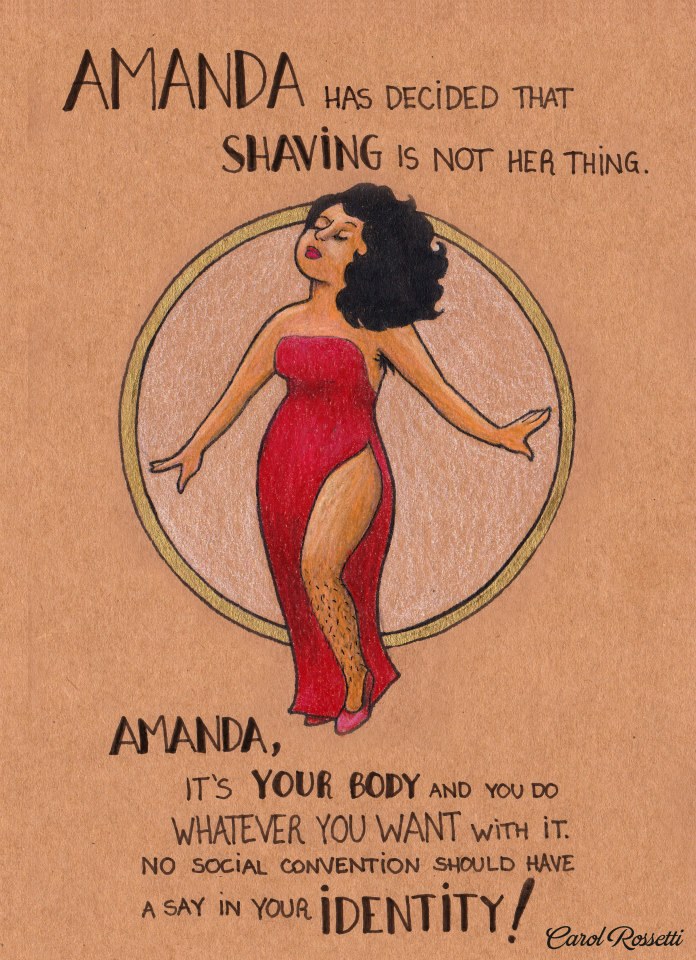
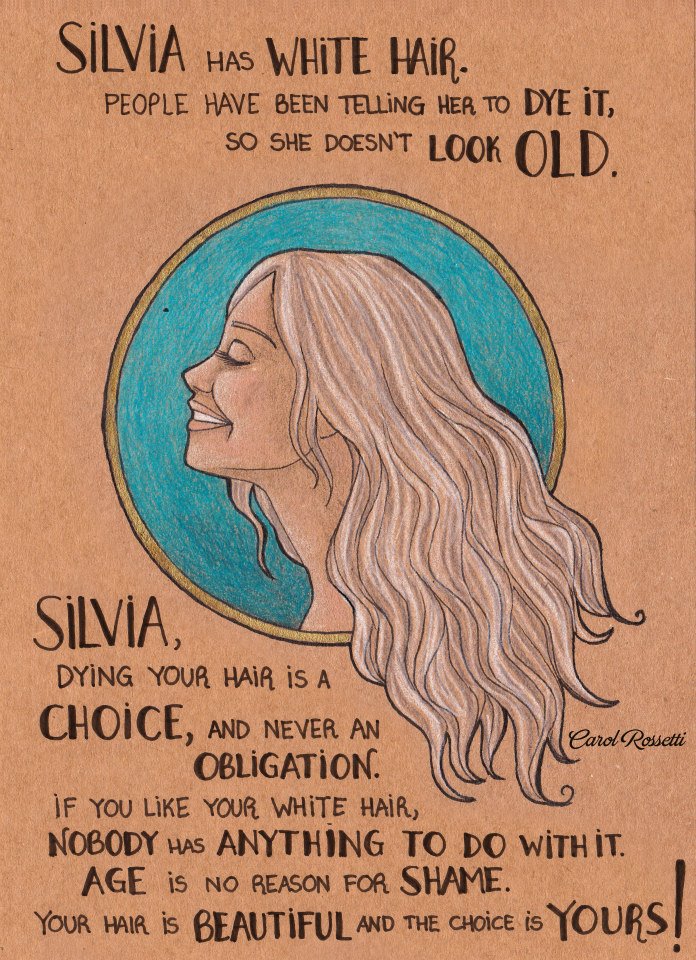
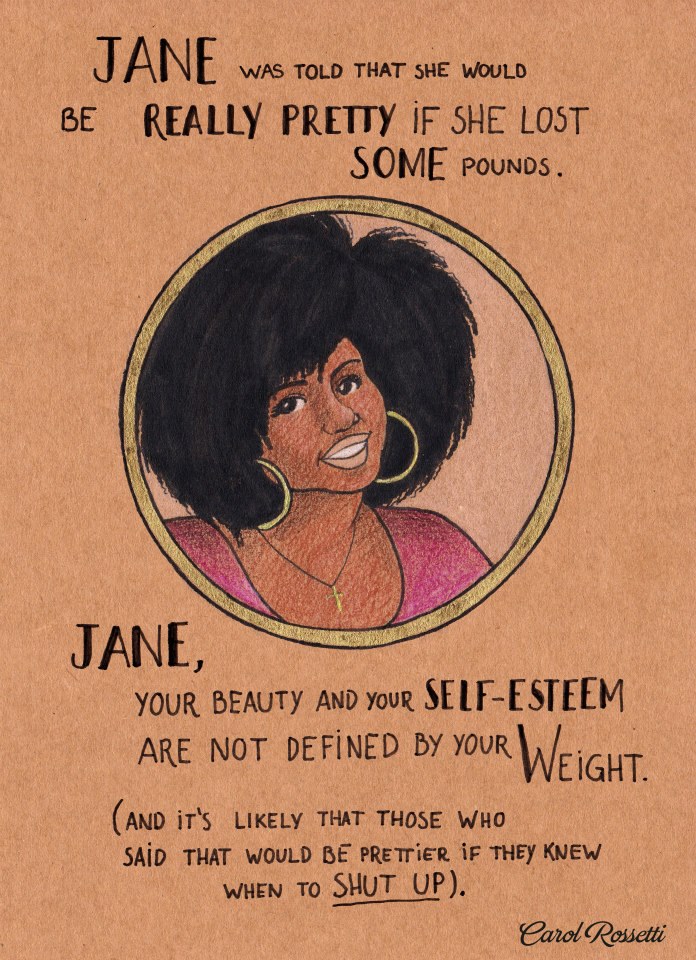
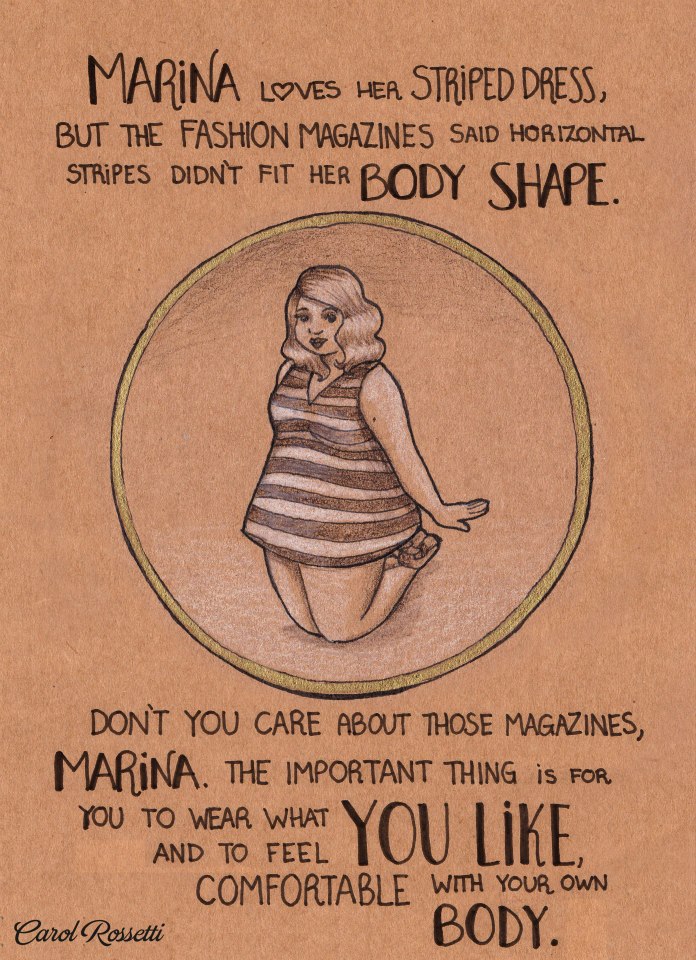
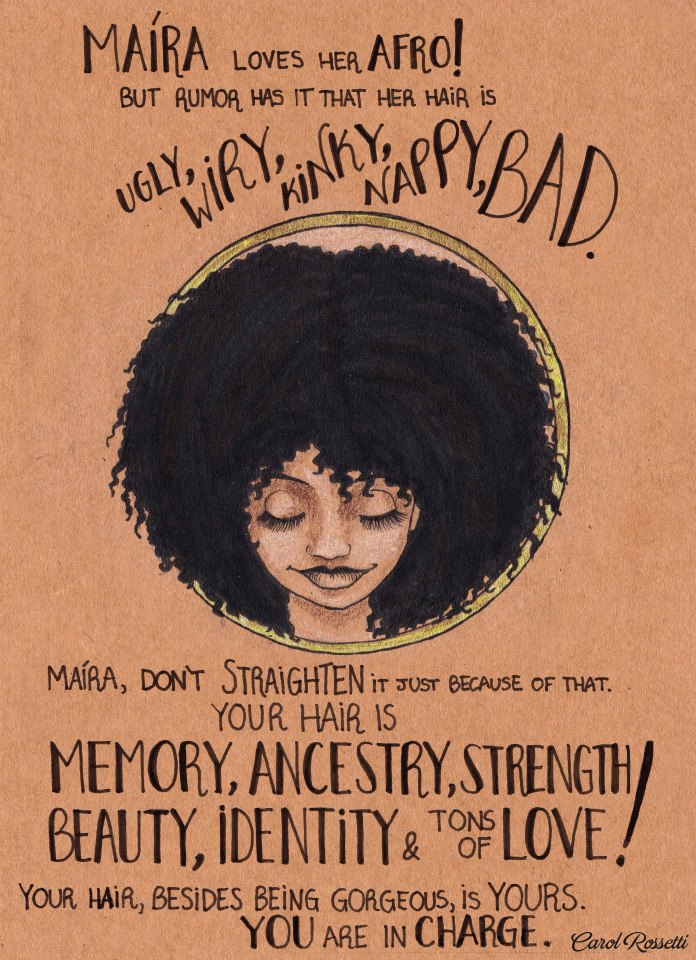
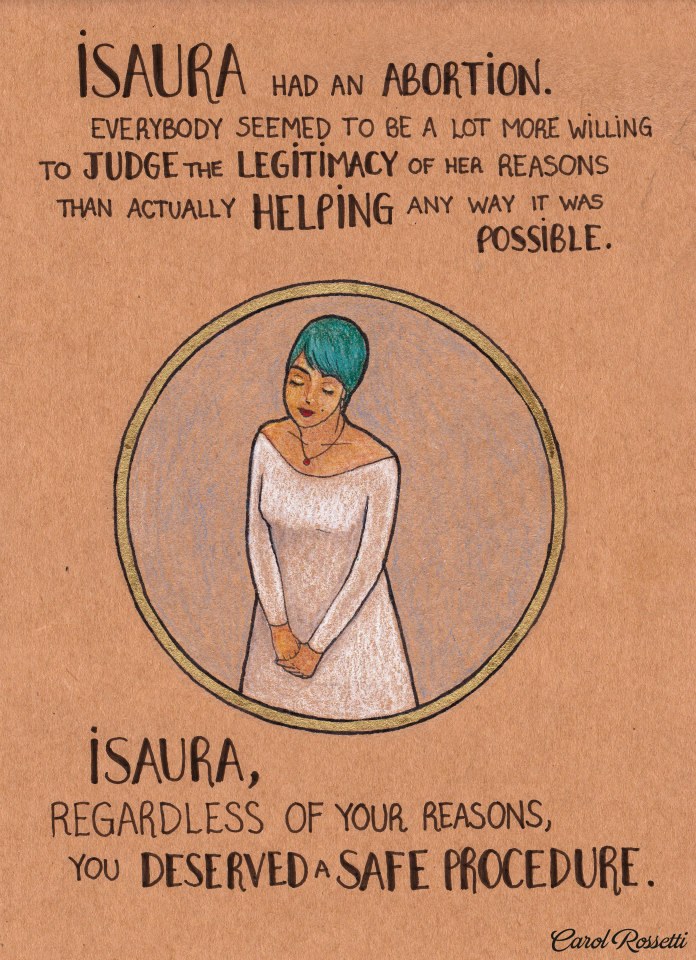
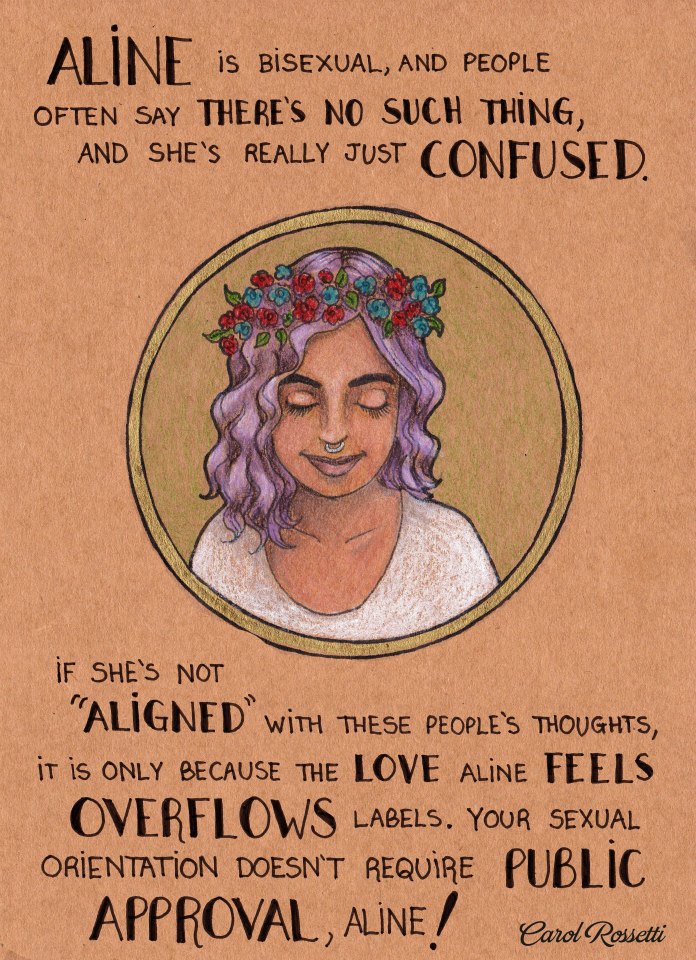
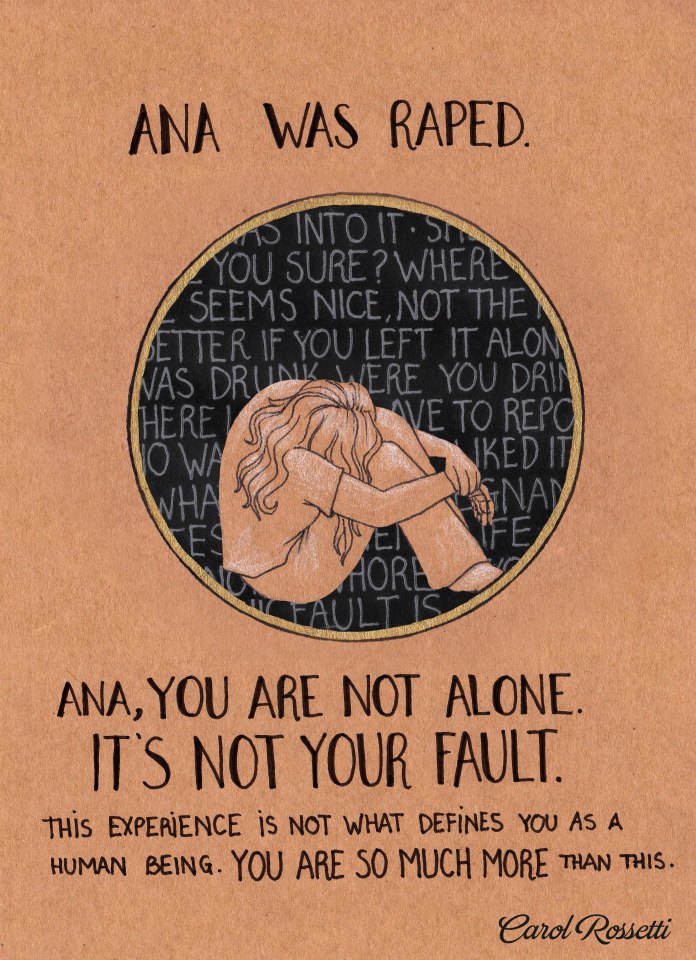
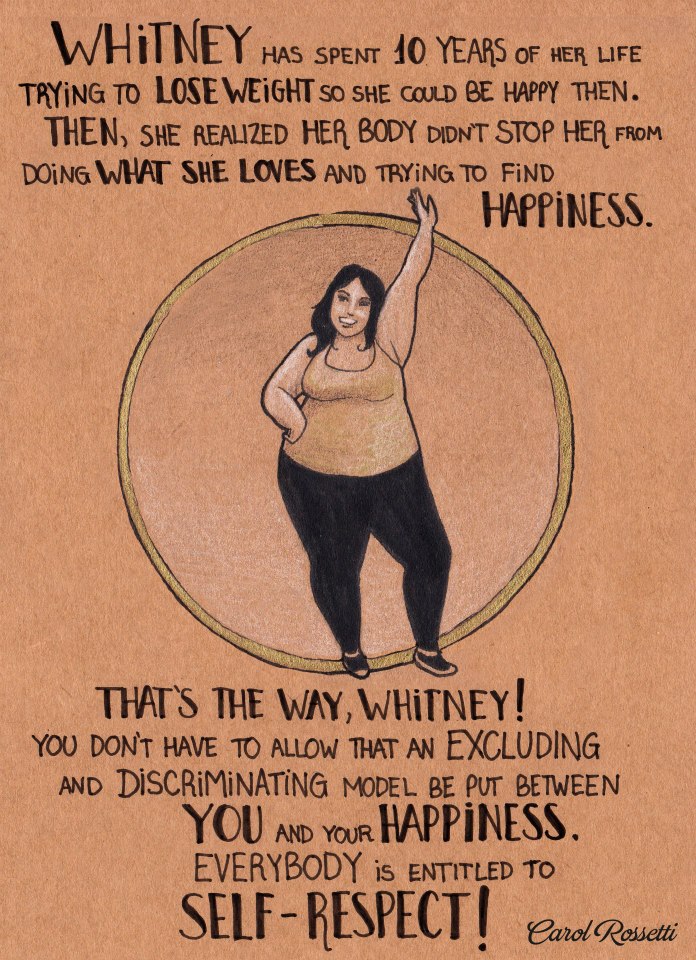
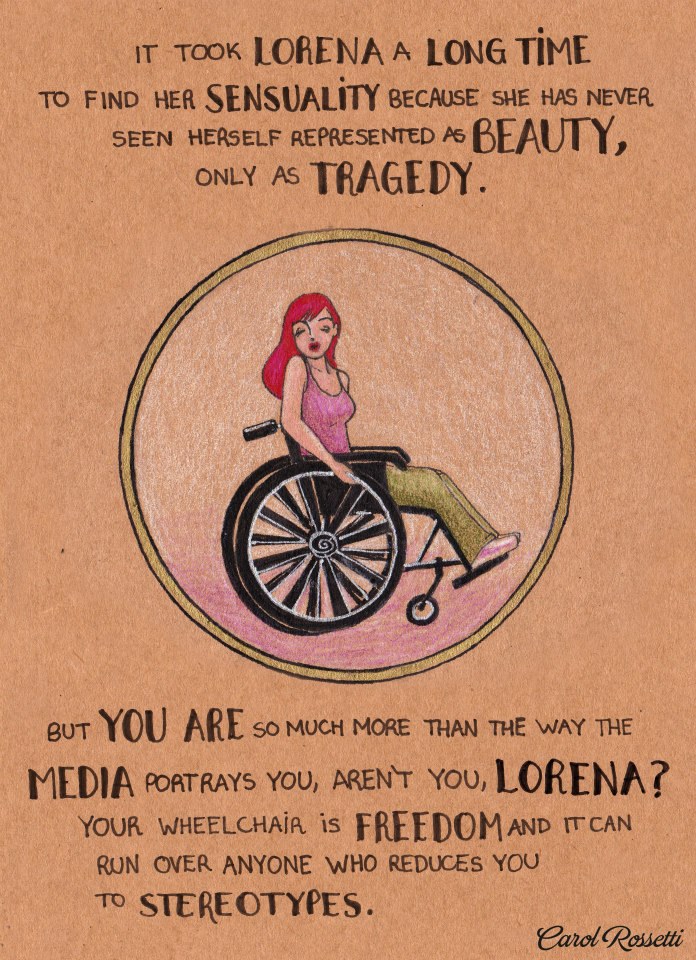
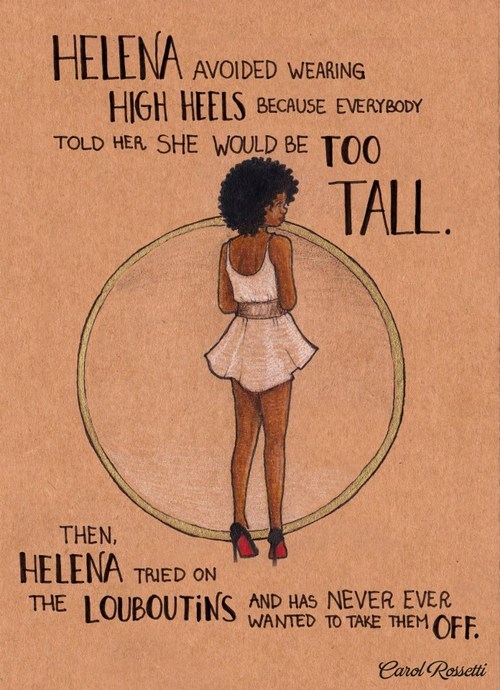
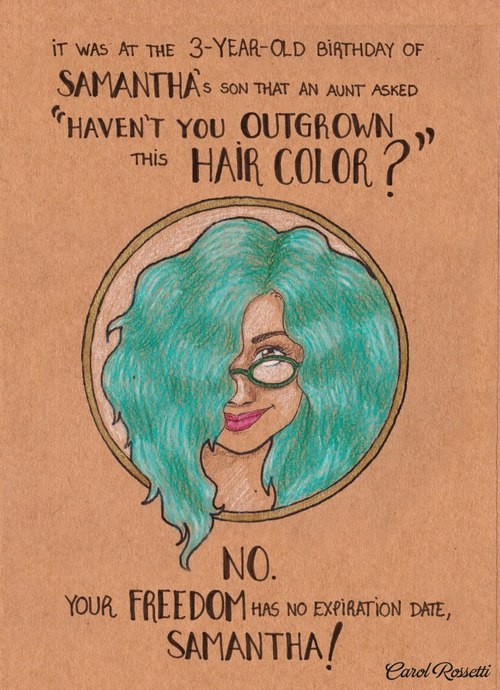
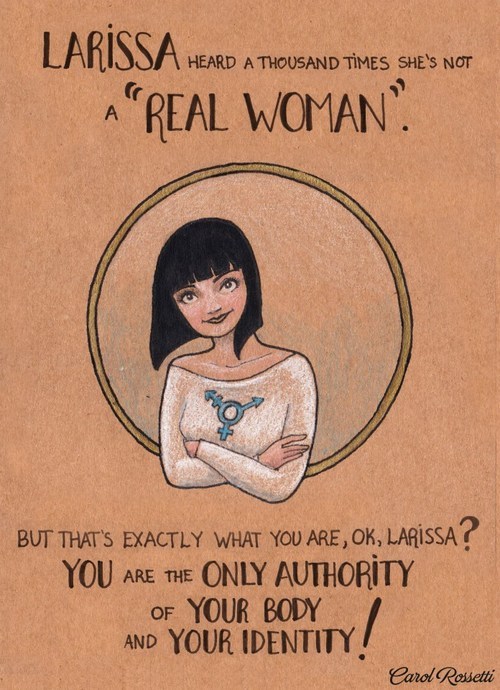
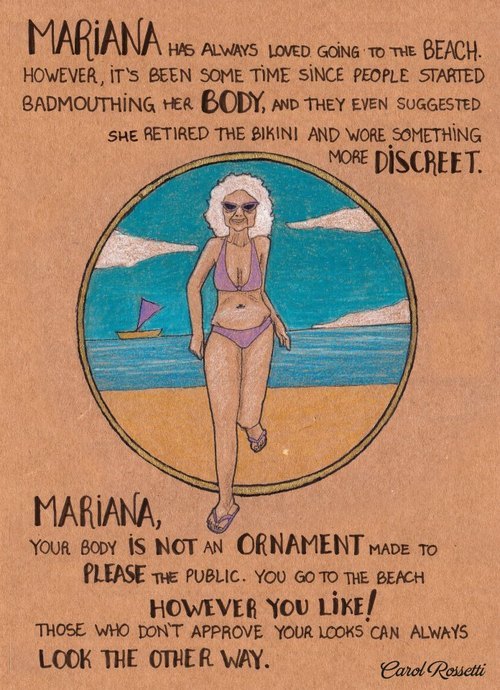
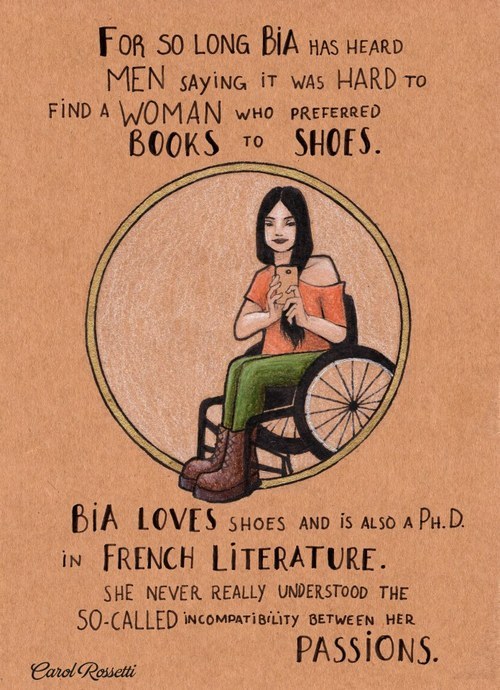
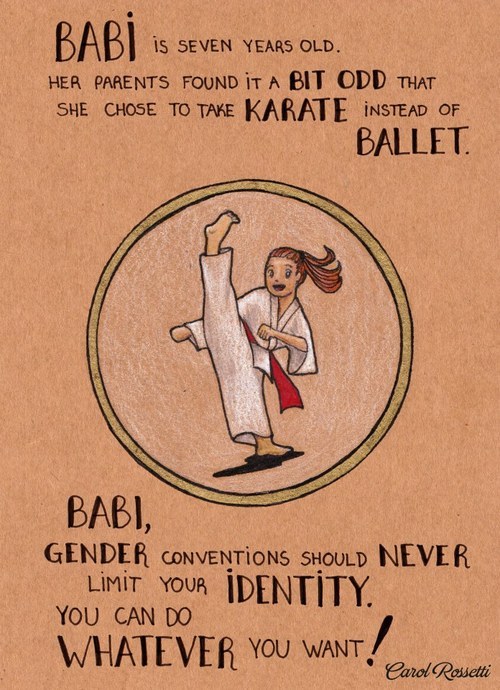
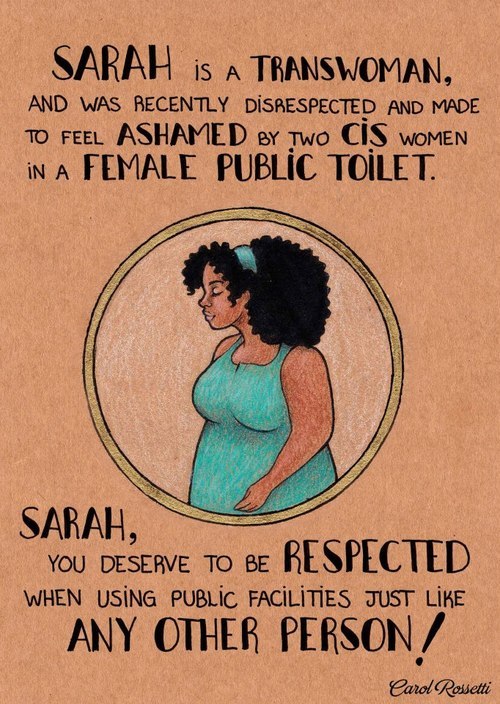
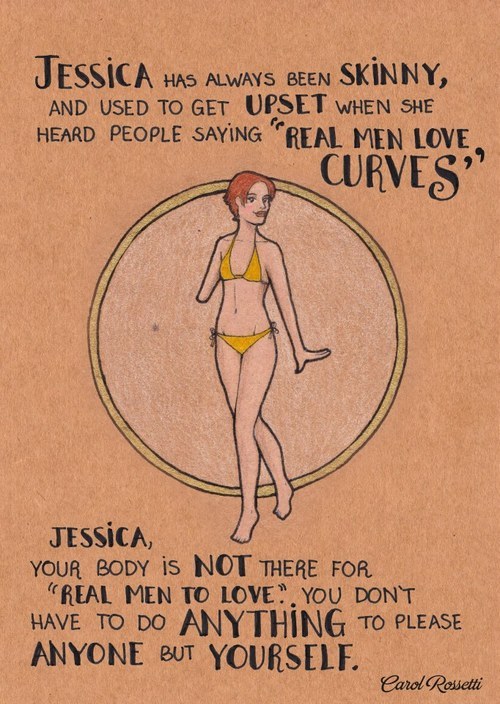
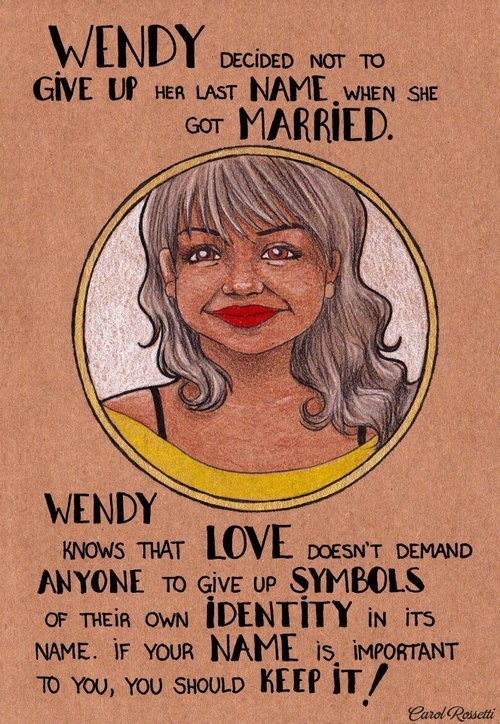
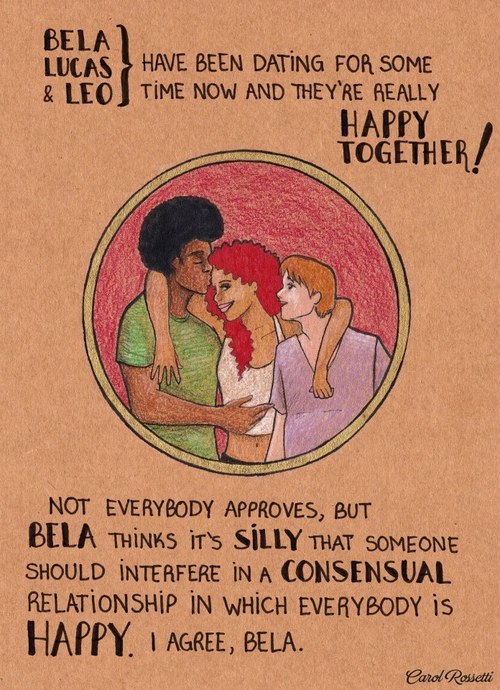
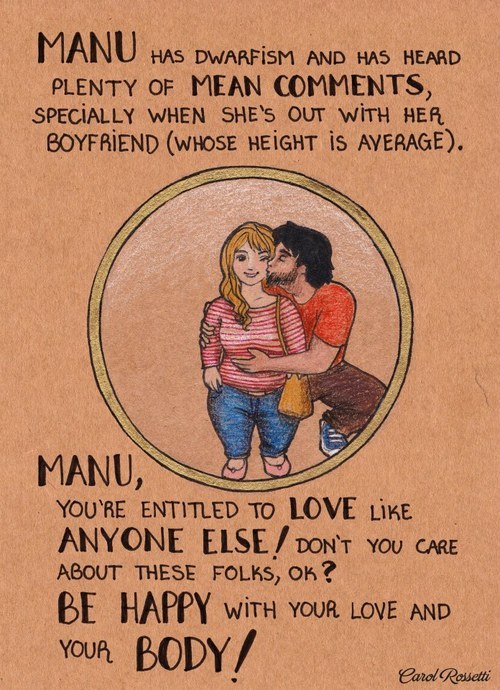
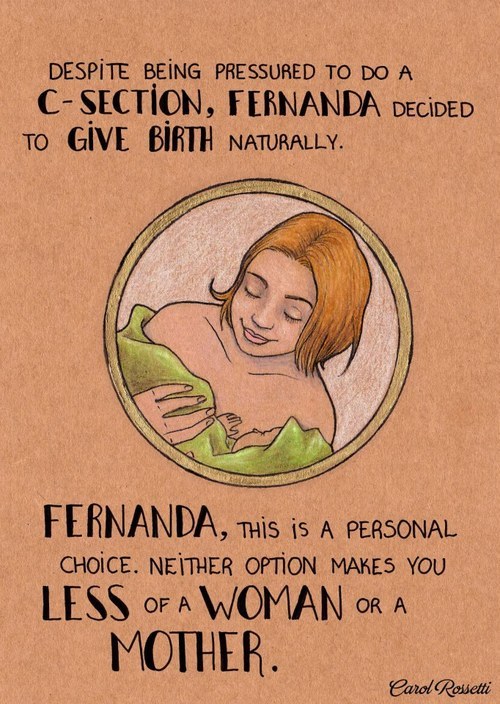
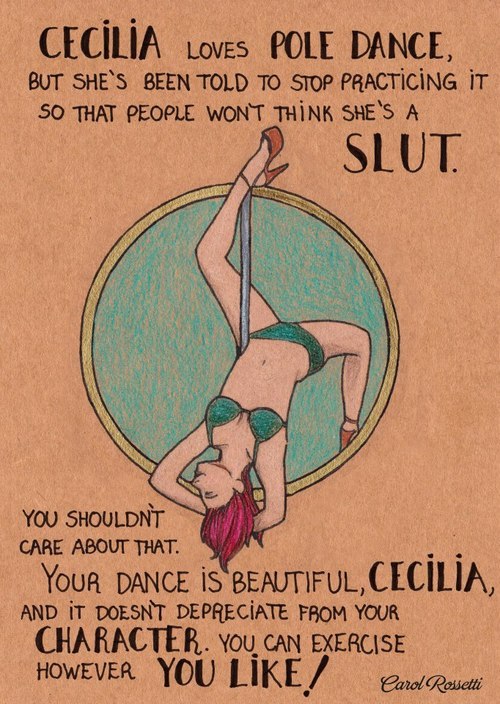
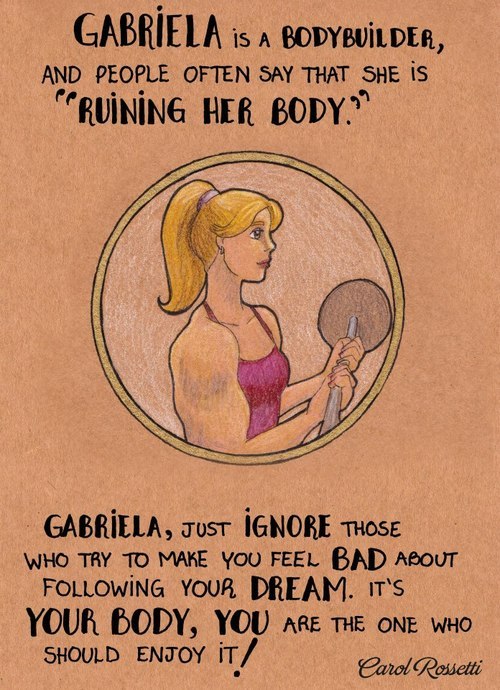
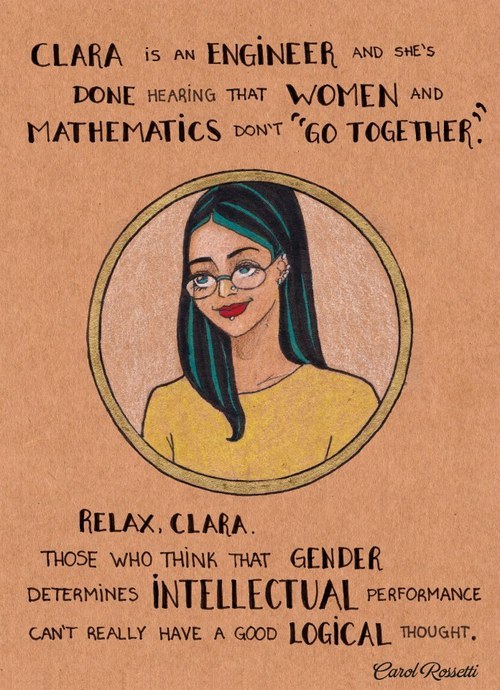
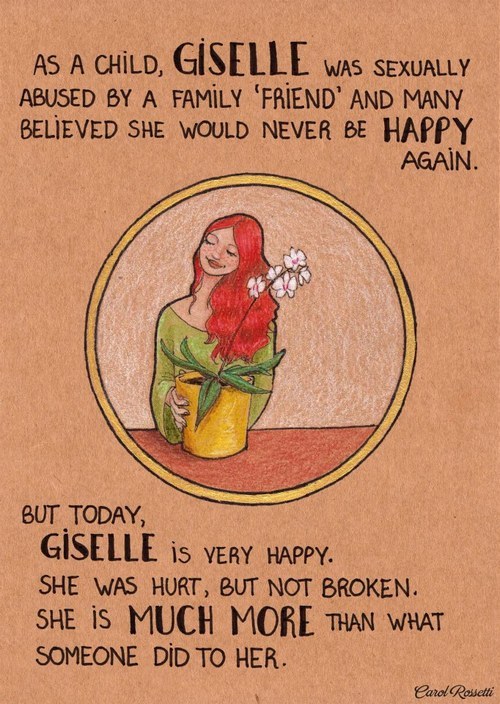
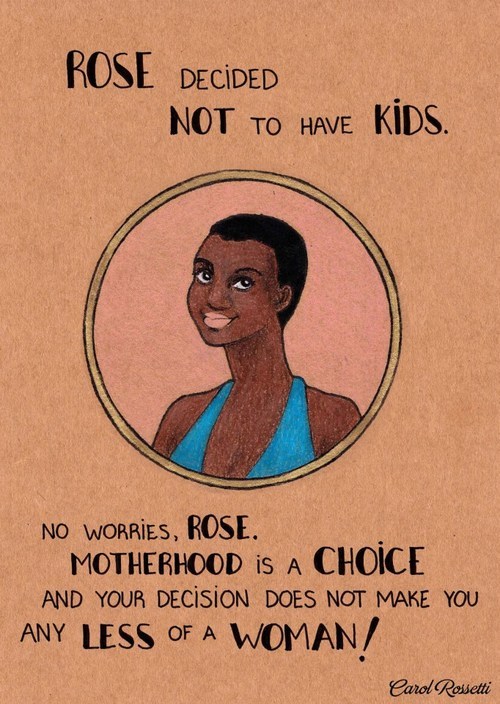
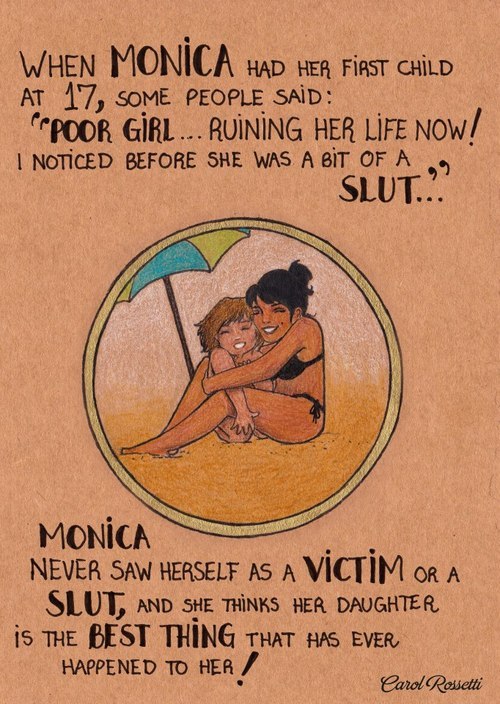
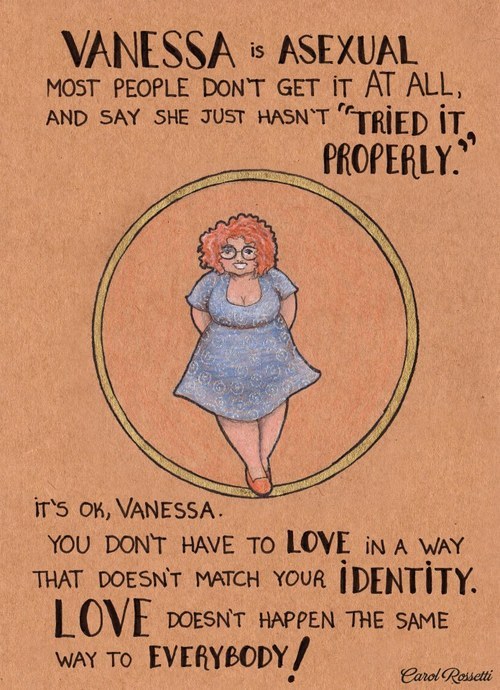
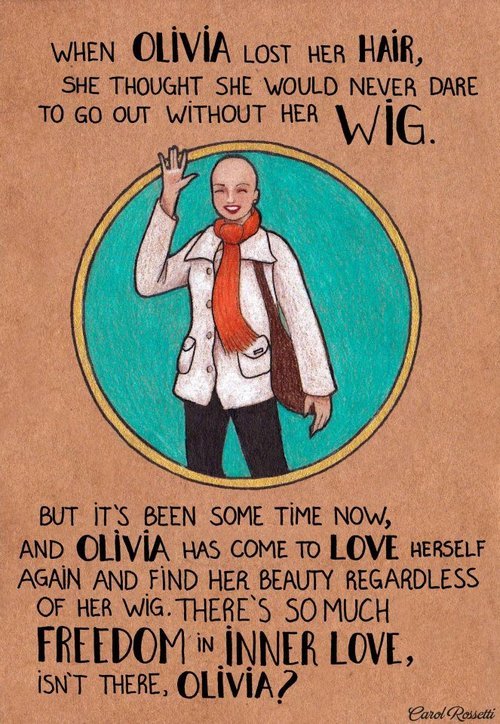
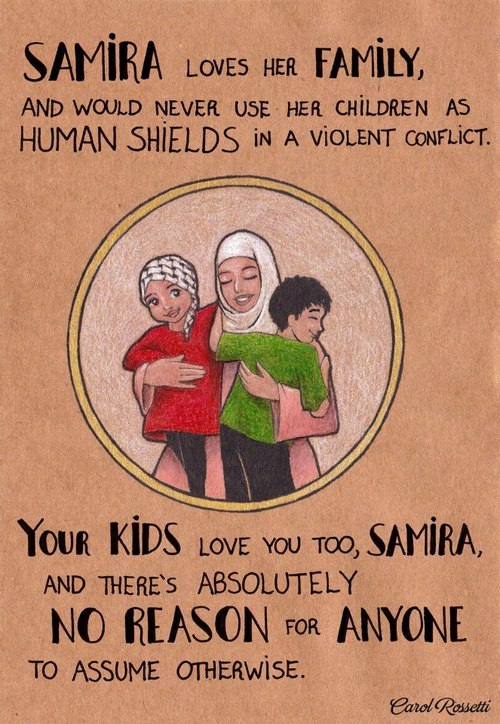
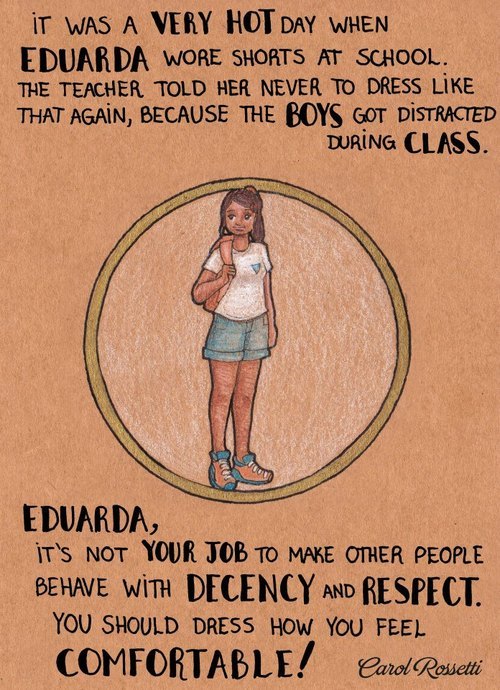
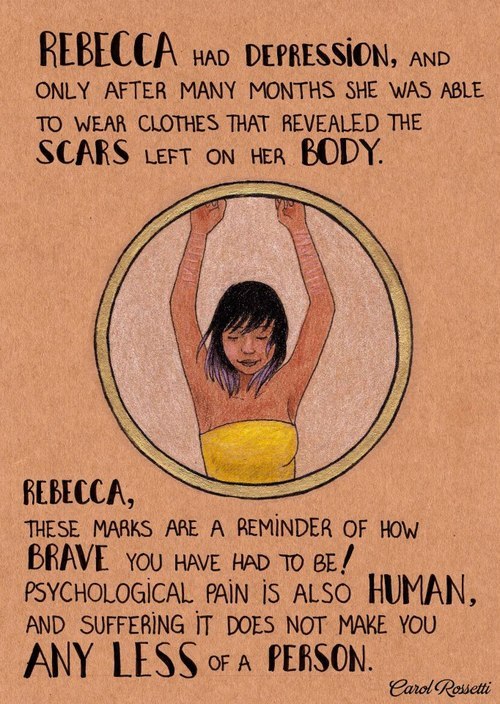
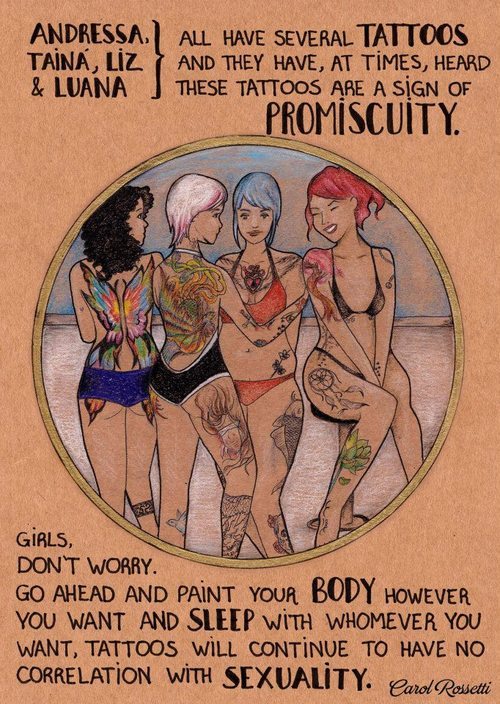
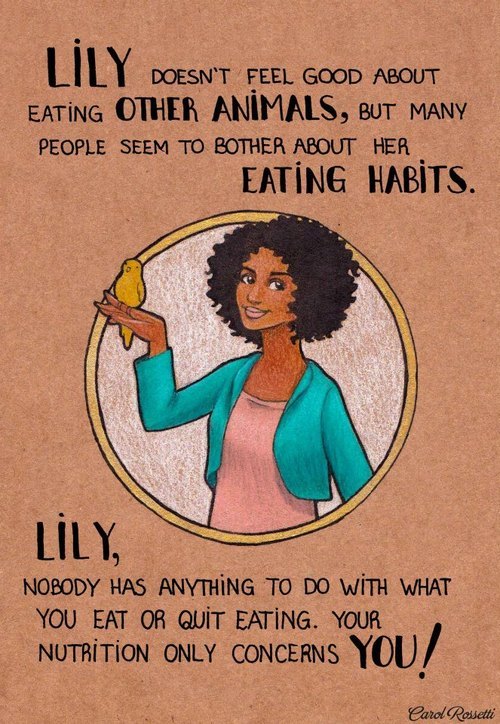
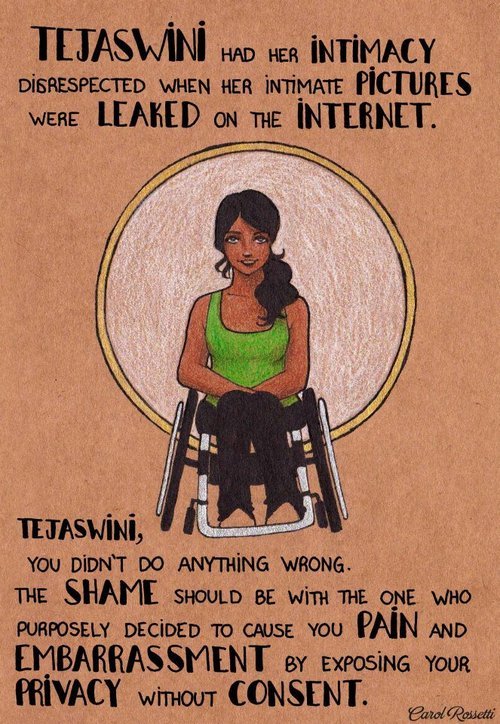
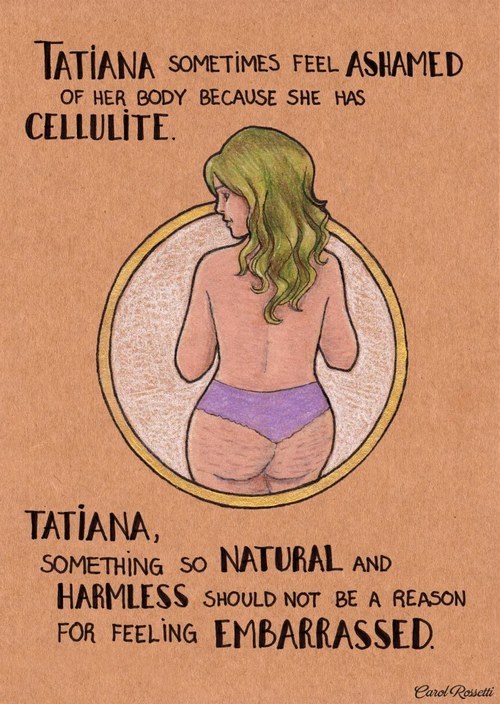
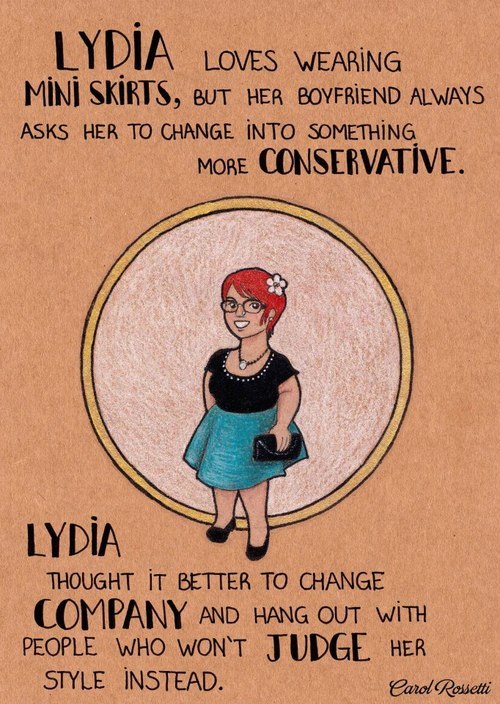
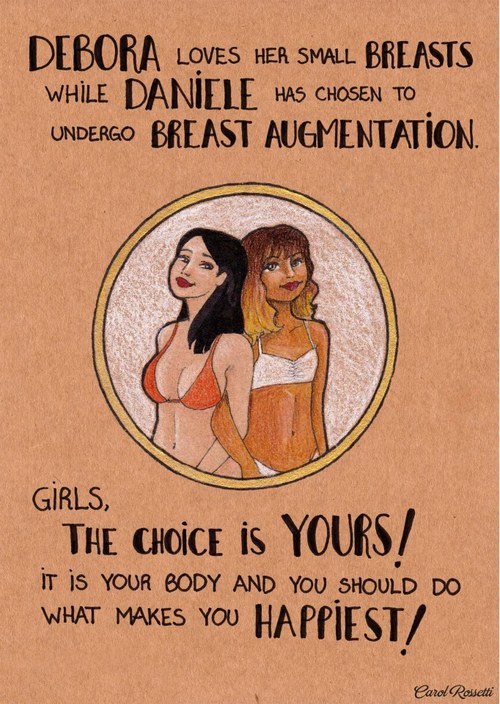
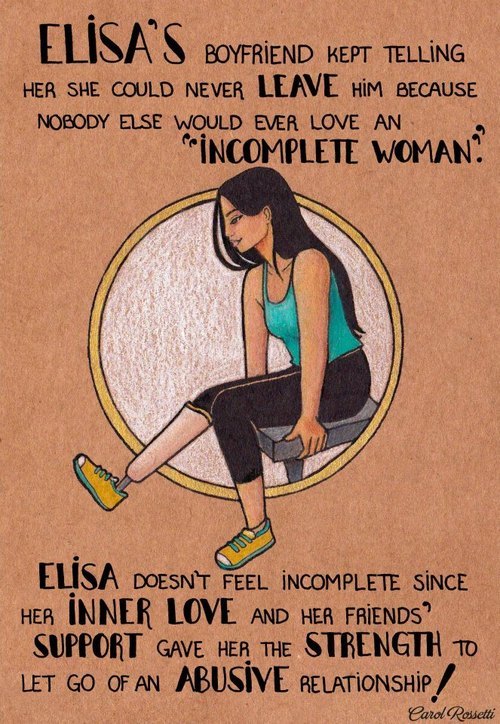
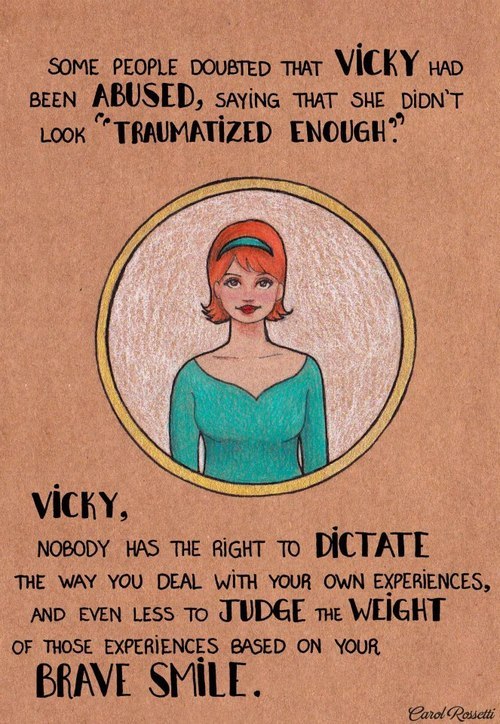
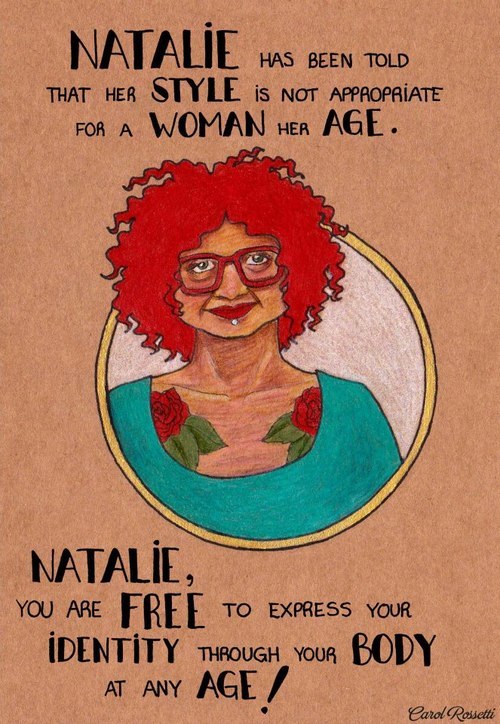
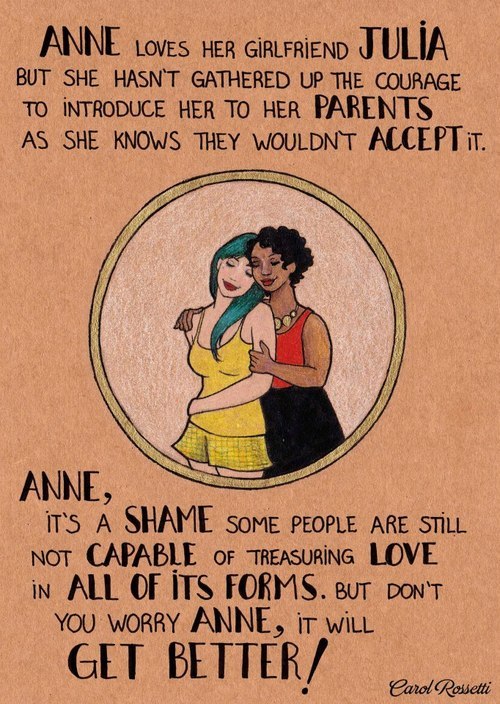
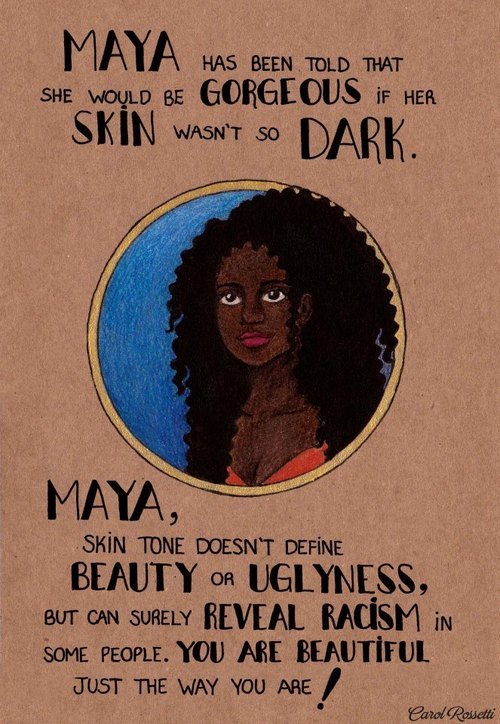
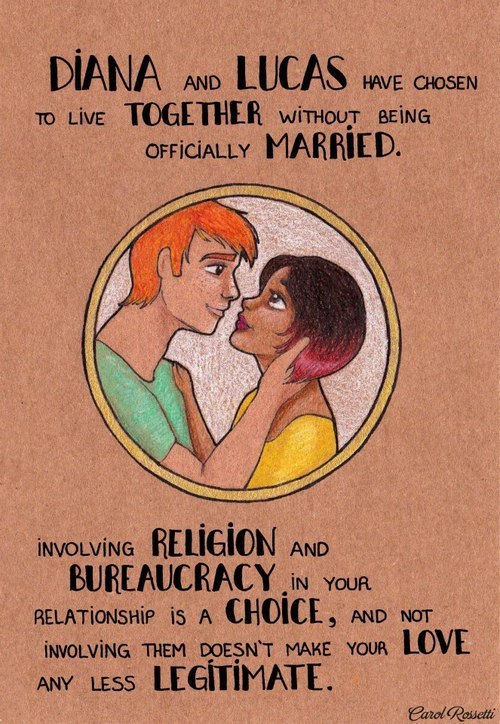
When Brazilian graphic designer Carol Rossetti began posting colorful illustrations of women and their stories to Facebook, she had no idea how popular they would become.
Thousands of shares throughout the world later, the appeal of Rosetti’s work is clear. Much like the street art phenomenon Stop Telling Women To Smile, Rossetti’s empowering images are the kind you want to post on every street corner, as both a reminder and affirmation of women’s bodily autonomy.
“It has always bothered me, the world’s attempts to control women’s bodies, behavior and identities,” Rossetti told Mic via email. “It’s a kind of oppression so deeply entangled in our culture that most people don’t even see it’s there, and how cruel it can be.”
Rossetti’s illustrations touch upon an impressive range of intersectional topics, including LGBTQ identity, body image, ageism, racism, sexism and ableism. Some characters are based on the experiences of friends or her own life, while others draw inspiration from the stories many women have shared across the Internet.
“I see those situations I portray every day,” she wrote. “I lived some of them myself.”
Despite quickly garnering thousands of enthusiastic comments and shares on Facebook, the project started as something personal — so personal, in fact, that Rossetti is still figuring out what to call it. For now, the images reside in albums simply titled “WOMEN in english!“ or ”Mujeres en español!“ which is fitting: Rossetti’s illustrations encompass a vast set of experiences that together create a powerful picture of both women’s identity and oppression.
One of the most interesting aspects of the project is the way it has struck such a global chord. Rossetti originally wrote the text of the illustrations in Portuguese, and then worked with an Australian woman to translate them to English. A group of Israeli feminists also took it upon themselves to create versions of the illustrations in Hebrew. Now, more people have reached out to Rossetti through Facebook and offered to translate her work into even more languages. Next on the docket? Spanish, Russian, German and Lithuanian.
It’s an inspiring show of global solidarity, but the message of Rossetti’s art is clear in any language. Above all, her images celebrate being true to oneself, respecting others and questioning what society tells us is acceptable or beautiful.
“I can’t change the world by myself,” Rossetti said. “But I’d love to know that my work made people review their privileges and be more open to understanding and respecting one another.””
From the site: All images courtesy Carol Rossetti and used with permission. You can find more illustrations, as well as more languages, on her Facebook page.
Oooh. I reblogged a partial version of this recently but I didn’t know how many more there were! I LOVE these!
OK SO THERE ARE TONS MORE OF THESE OF THE ARTISTS FB PAGE. GUYS THESE ARE AWESOME.
LOOK
AT
THESE
LETS APPLAUD CAROL ROSSETTI EVERYONE
LOOK
Um, these are like the best thing ever.
Just slow clap it out. ;w;
So many more!
I love all of these so much. Every time I see them I smile.
I want a print of the Amanda one, I think.
I’m represented about four or five different times in these. They’re the best.
I’m so glad to learn a little bit more about the artist this time around!
Epipens – self-injection sticks carried by people with deadly allergies, which have to be replaced twice a year – were developed by NASA at taxpayer expense, were patented by a government scientist who receives no royalties, require no marketing, and have gone from as little as $60 each to up to $606 in a few short years (during which time the company has switched to selling them exclusively in two-packs).
Mylan, who makes Epipens, and Pfizer, who markets them in the USA, have raised the prices monotonically since the middle of the last decade. Now, they’re so expensive that many public ambulance services have stopped packing them, parents are sending their kids out with expired Epipens, and many are opting for the much-less-effective strategy of carrying a syringe full of epinephrine, and hoping they’ll be able to inject themselves if they go into anaphylactic shock (one doctor who advises this compares having an Epipen to driving a Cadillac, something that not everyone can do. Other people drive to Canada, where Epipens are $94 for non-Canadians who pay a premium because they don’t have insurance-backed prescriptions.
Mylan and Pfizer have no explanation for their pricing, apart from saying that it “reflect[s] the multiple, important product features and the value the product provides.”
“The price reflects the value” MOTHERFUCKING AIR IS VALUABLE, BECAUSE IT’S NECESSARY. YOU’RE BASICALLY SAYING “it’s okay for me to gouge you because you have to let me to live”
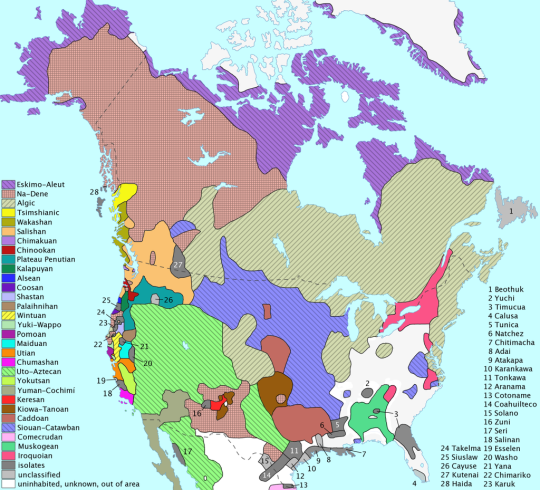
This map should be included in every history book.
Oh wow! I’ve been wanting this for ages!
This needs to be in every history book along with a map showing where those nations have been pushed to now.
This is great, and native language maps SHOULD be included in school books – but it could go farther, because the native languages of the Americas are phenomenal for their variety!
“There are around 25 million native speakers of the more than 800 surviving Amerind languages.” (
…and that’s just the surviving ones (though I’m pretty sure that number includes south American languages, which this map doesn’t).
The other maps I’ve seen of native language families have similar shapes but a lot more divisions:
This is also a “Pre Contact” language family map. I’d guess it’s a more precise/refined version, rather than a contradiction, like how a map of European language groups could show the whole area as “Indo European” or it could divide it into Romance, Germanic, Slavic, etc, (plus the Basque isolate!) and both would be accurate maps of language families.
(”Isolates” mean languages that aren’t related to anything around them in any way anyone can figure out, and they’re excitingly baffling to linguists).
I do remember a linguistics professor back in university saying that the linguistic variation in the Americas was huge, with lots of isolates or near-isolates. The Salishan group in the above map, for instance, includes 23 distinct languages, and it’s not the only language family area.
Native Languages.org has a great list divided by language family and with links to resources for specific languages, with ‘family tree’ organization showing specific languages and sub families within broader family groups.
As for native speakers, after both Canadian and US governments tried to wipe out all these languages (language in bold, linguistic family in parentheses)…
Only 8 indigenous languages of the area of the continental United States currently have a population of speakers in the U.S. and Canada large enough to populate a medium-sized town. Only Navajo still has a population of greater than 25,000 within the U.S.
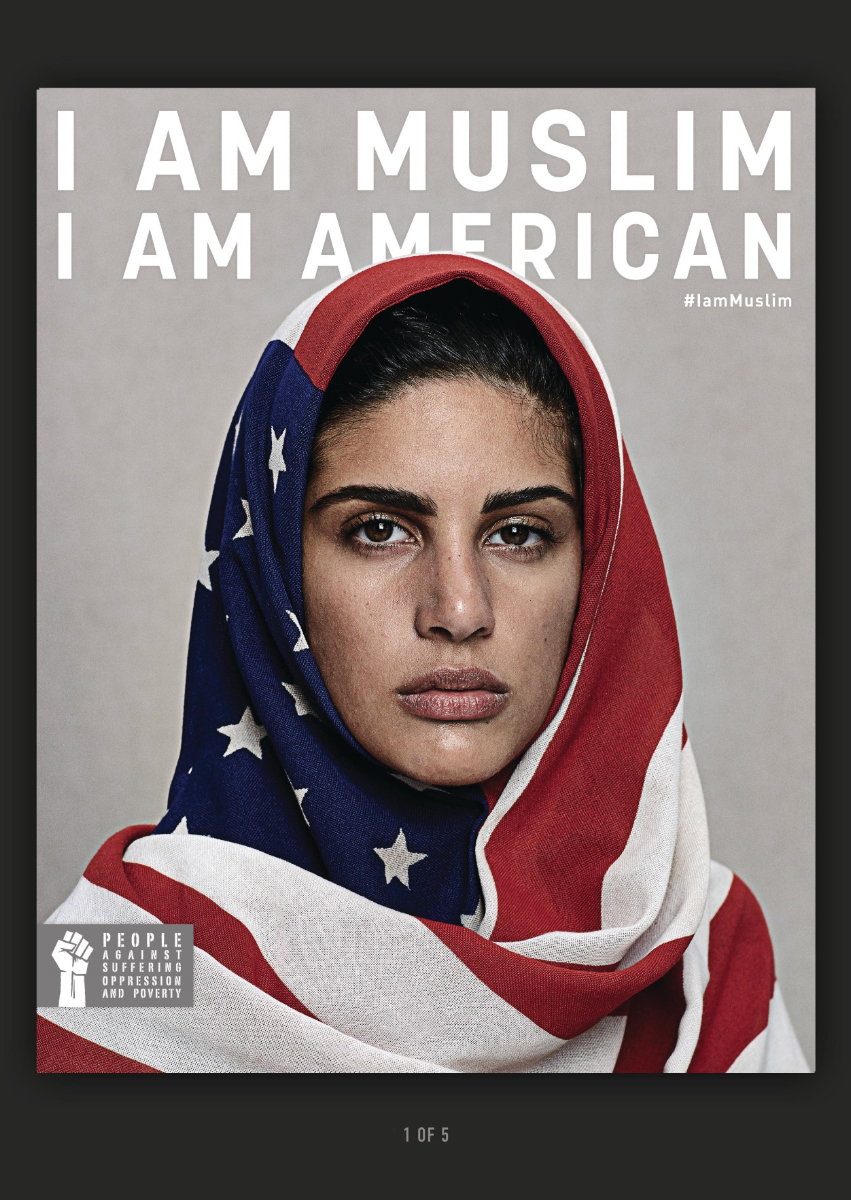
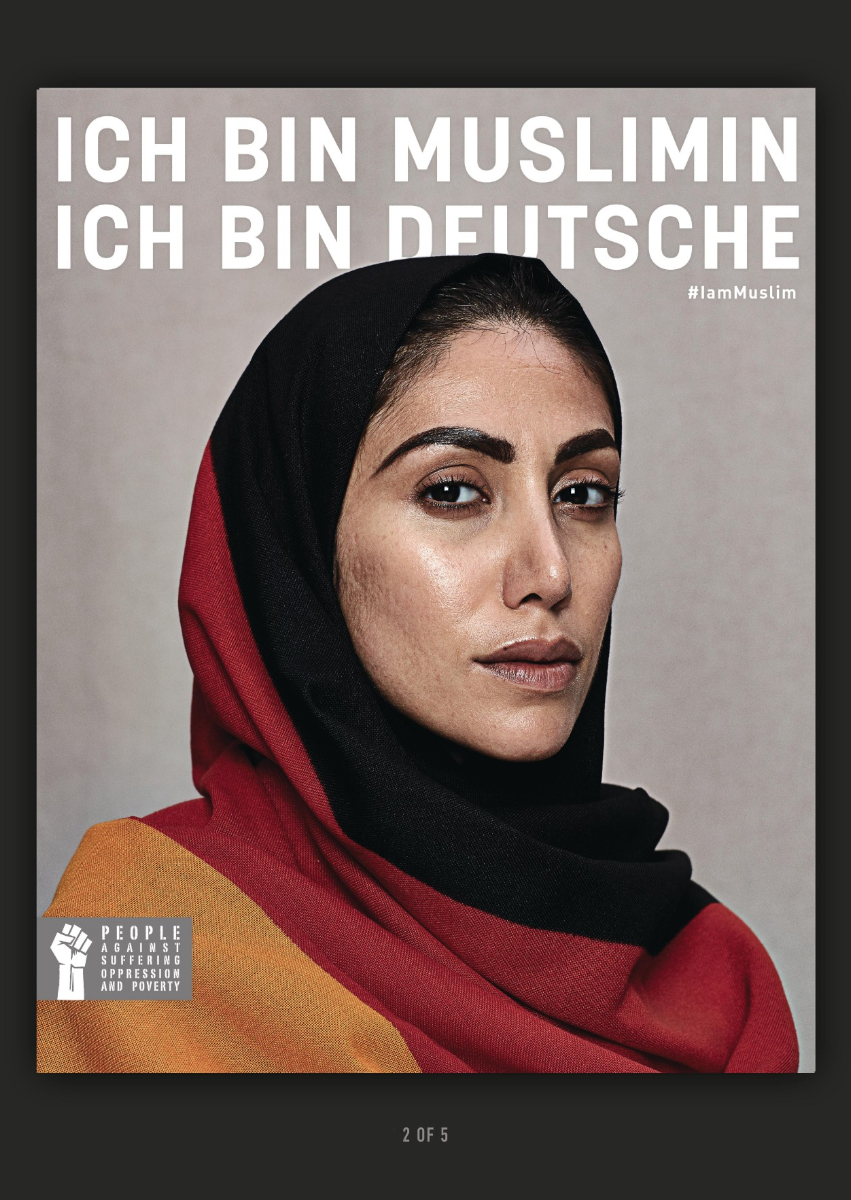
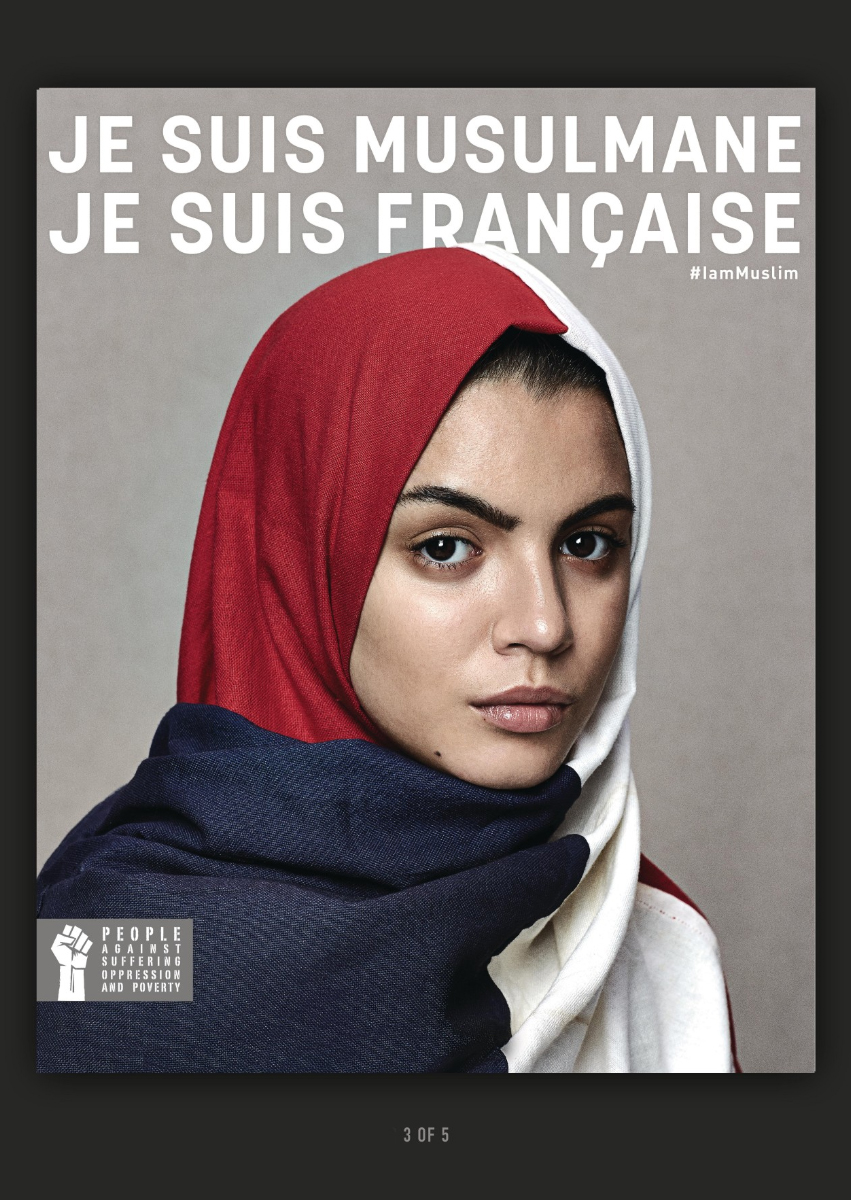
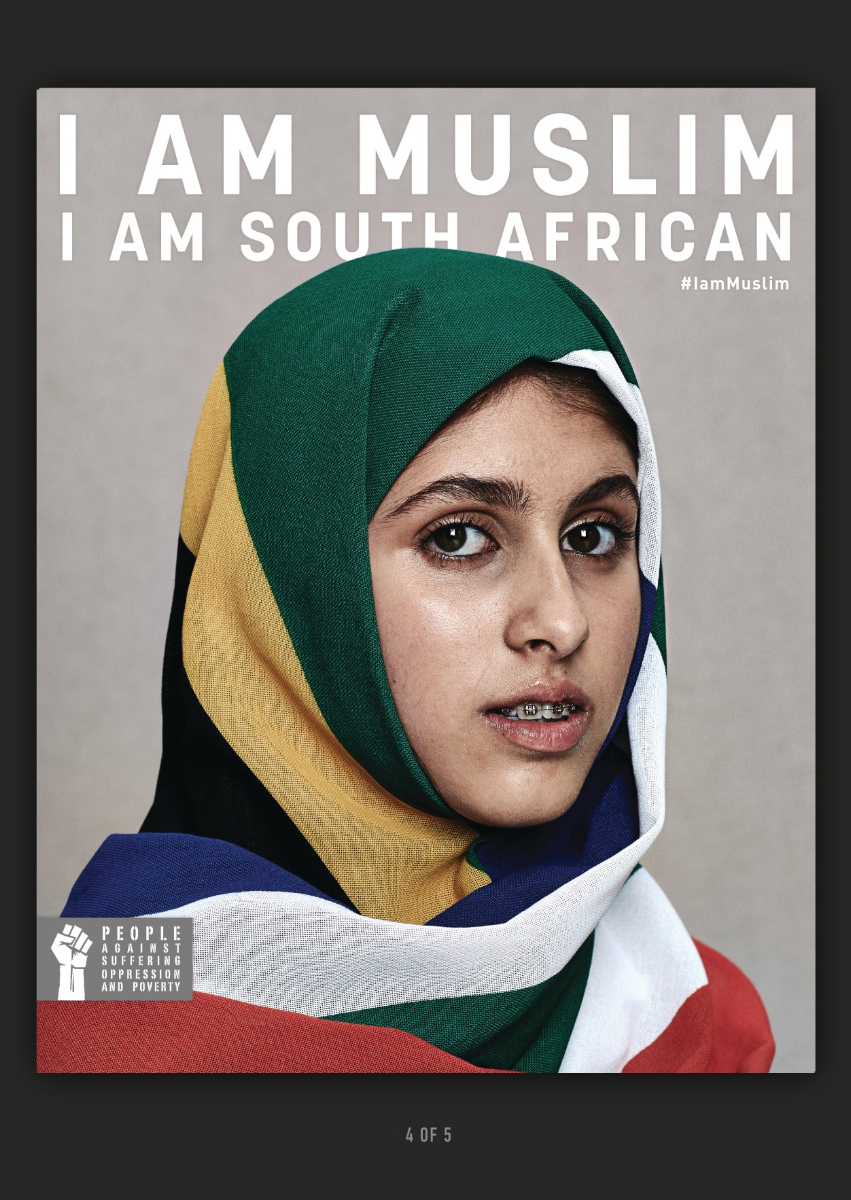
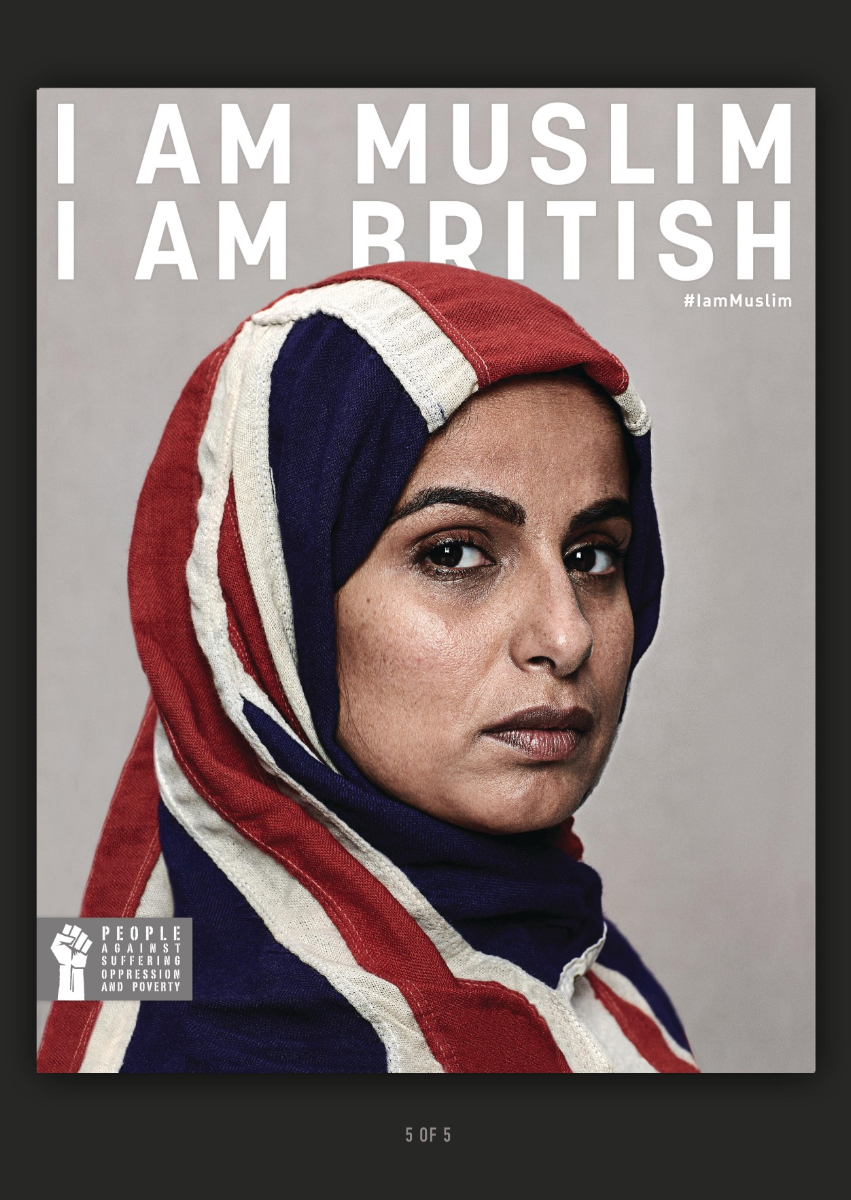
Advertising agency Native VML has created a print campaign for People Against Suffering Oppression and Poverty(PASSOP), a non-profit that advocates for equality, justice, and human rights for all people. PASSOP wanted to confront people’s prejudices and remind the world that being a Muslim does not make someone a terrorist.
“Helmsman of the USS Enterprise, Hikaru Sulu, played by John Cho, is shown in Star Trek Beyond as the loving father of a daughter with a same sex partner. And in typical trailblazing Trek fashion — it’s just not a big deal.
Cho visited Sydney to promote the third movie in the franchise successfully rebooted by JJ Abrams in 2009, along with cast mates Chris Pine (Captain Kirk), Zachary Quinto (Spock), Karl Urban (Dr McCoy) and director Justin Lin. He said the decision by writer Simon Pegg and Lin to make Sulu gay was a nod to George Takei, who played the character in the original 1960s series, and was a sign of what he hoped were changing times.”