It’s impossible to ignore the racism of this year’s Presidential race; Donald Trump will say anything, it seems, to gain support from the many Americans who truly believe that we need to build a wall at the Mexican border and that deporting all Muslims would somehow end terrorism. It’s sickening and it’s rooted in a legacy of xenophobia.
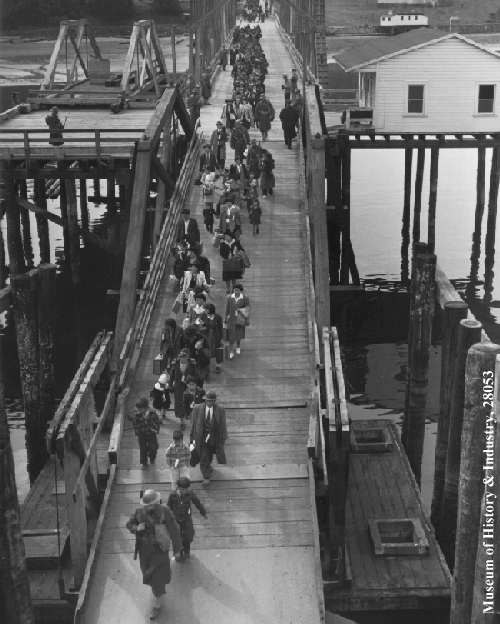
Image: MOHAI
It’s also familiar as hell, particularly along Puget Sound, where, 74 years ago today, Japanese and Japanese-American residents of Bainbridge Island—some who had been there for six decades and many who were born there—were wrenched from their homes and send to an internment camp under Executive Order 9066.
They were the first in the nation to be interred, due to Bainbridge’s proximity to a military base, and were given just six days to get their business and personal affairs in order. They had no idea how long they would be gone, or where they were going. Via the UW:
The Bainbridge Islanders, both aliens and non-aliens (i.e., citizens), were given six days to register, pack, sell or somehow rent their homes, farms and equipment. On Monday, March 30 at 11:00 a.m. these Japanese Americans, under armed guard, were put on the ferry Keholoken to Seattle where they boarded a train to Manzanar in central California. They were not to return to Bainbridge Island for more than four years.
Executive Order 9066 was written to protect “against espionage and against sabotage to national-defense material, national-defense premises, and national-defense utilities”—exactly the same reasons Presidential candidates like Trump give for the expulsion of Muslims—but what it really did was grant the U.S. government the authority to discriminate against American citizens and immigrants based on literally nothing but their race. It was an order that was the direct result of fear and intolerance.
The majority—a full 2/3—of the residents interned were American citizens.
There was a great gathering of white friends at Eagledale before the evacuation was completed. These friends, as well as soldiers, gave the departing Japanese every help.
It was a pathetic exodus.
There were mothers with babies in arms, aged patriarchs with faltering steps, high school boys and girls, and some children, too young to realize the full import of the occasion. The youngsters frolicked about, treating the evacuation as a happy excursion.
“Tears, Smiles Mingle as Japs Bid Bainbridge Farewell.” Seattle Times, March 30, 1942, pg. 1.
On Bainbridge Island—and up and down the West Coast—this action ravaged communities, separated families and friends, and financially ruined many individuals and businesses.
In 1983, it was estimated that the total economic fallout was something like $2 billion.
At the time, racism was rampant locally—but there were still some voices in support of the residents of Bainbridge Island, of Seattle, and of surrounding areas who were being threatened with internment.
After the first announcement of the executive order in February 1942, the only West Coast newspaper editors to write against internment were Walt and Milly Woodward of the Bainbridge Review. In their editorial they wrote that they “hope that the order will not mean the removal of American-Japanese citizens, for it [the Review] still believes they have the right of every citizen: to be held innocent and loyal until proven guilty” (“Not Another Arcadia”).
In total, 277 residents were forcibly removed from the island, sent to camps in California and Idaho, for the duration of World War II. Just 150 returned to Bainbridge when, years later, they were permitted to go home.
On the memorial that now stands near where the residents of Bainbridge were walked down a pier toward the ship that would carry them away, visitors can clearly read the words “Nidoto Nai Yoni.”
“Let It Not Happen Again.”
Despite the cutting of checks and an apology from Ronald Reagan, it’s evident that simply acknowledging our history isn’t enough to keep from repeating it.
Here in the Seattle area and throughout the nation, we are precariously permissive of rhetoric that not only condones but supports letting it happen again.
Ok so I rly fucking need to clean my house. Do any other People With Depression™ have any tips or ways you motivate urself to clean? Because this feels like the hardest goddamn thing in the world even tho I know it’s not and I’m just continually frustrated with myself and have been for the past two weeks.
HOO BOY DO I HAVE DEPRESSION/EXECUTIVE DYSFUNCTION CLEANING TIPS
in no particular order (because I have depression and executive dysfunction):
1. If something sensory about cleaning bothers you, eliminate that before you start. For example, I wear gloves to do the dishes. If the sound of the vacuum bothers you, wear headphones and turn up the music. etc.
2. If you can, make a list of everything that needs to be done. Then acknowledge that you probably can’t do it all, and circle all the things that absolutely, no matter what, have to be done. Pick one (ONE! ONLY ONE! START WITH ONE!) of those things and break it down into smaller steps. Then even smaller steps. Seriously, if step one is “stand up” and step two is “walk to closet” and step 3 is “get mop”, that’s fine. It can be that small.
3. Take a break. “But I literally only started five minutes ago!” Don’t care. If you want a break, take a break. “At this point I’ve spent more time on breaks than I’ve spent on cleaning.” Ok, but you’ve spent more than zero time on cleaning, so you’ve accomplished more than you had at the beginning. “If I take a break it won’t get done!” If you burn out it won’t get done either. Take a break.
4. If nothing is working, try what I call bin cleaning/box cleaning. Take a big trash bag and a box. Pick up the first object you see. Step 1: Is it trash? Put it in the trash bag. Step 2: Will you use it in the next 2 days? No? Put it in the box. It’s a problem for Future You. If you’ll use it in the next 2 days, take time to put it away. Rinse and repeat.
5. Did you get distracted and forget what you were doing? Don’t worry about it. Just clean a thing. It doesn’t matter if it’s the thing you were cleaning before. You have to clean lots of things, so just pick a thing and clean it. Eventually you’ll get around to the thing you forgot.
6. If you have to do a thing you really hate, do a thing you like afterwards. I hate doing dishes, but folding laundry soothes me, so that’s a nice one to do afterwards. YMMV. If there are no cleaning things you like that you can do afterwards, see number 3.
7. Make it fun. Play loud music and dance while you’re cleaning. Wear something that makes you feel cute, or if you prefer, something comfy. Light your favorite candle. Whatever.
8. If it’s nice out, open a window. Seriously, it helps.
This is seriously so helpful, thank you.
A. Sometimes I do a reverse list.
I set a goal of finishing 10 things in a day for instance. Then I make a list with numbers 1-10 with blank spaces after them.
1. 2. 3. etc…
Then I can fill that in with whatever I accomplish during the day, big or little.
That way there’s not a huge list of TO DO’S looming over me and I can pick whatever I want to put in those slots as the motivation or energy hits me. At the end of the day I still feel like I’ve accomplished something.
B. Other times I set a timer for 5-10 minutes and rush around cleaning up as much stuff as I can in that five minutes and then as soon as the alarm sounds i get a break for an hour or so. Then do it again later in the day (or the next day if I’m really low). It’s amazing how much you can get done in just those 5-10 minutes though.
C. Another thing to try is to tell yourself that you only have to pick up 5-10 items and put them back where they go. This is good on days when you are really depressed and can barely move. If you’re feeling catatonic and have been camping out in bed or on the couch, pick 10 things that are close or are in your field of vision. It’ll make the place feel less oppressive and may lighten your mood a bit.
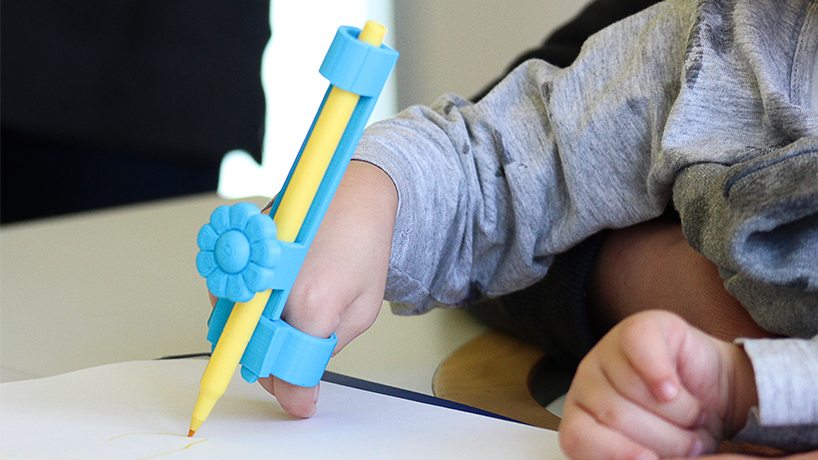
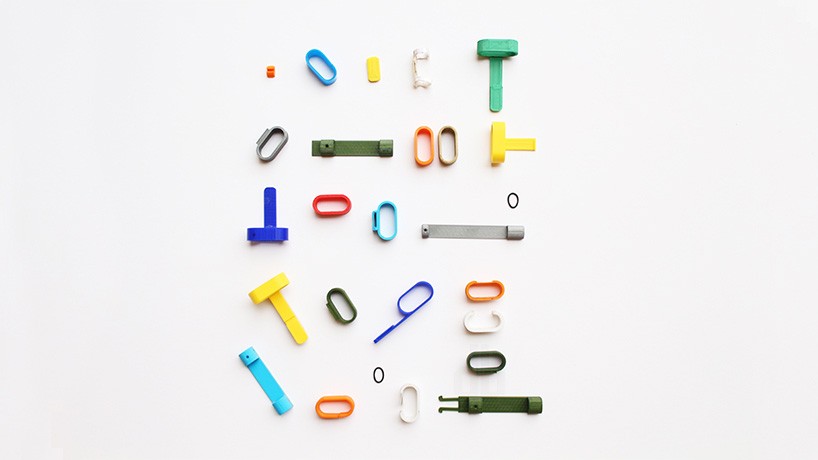
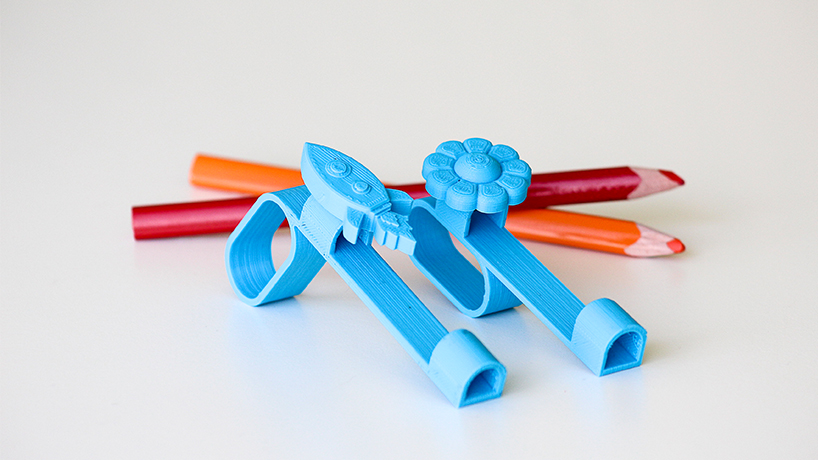
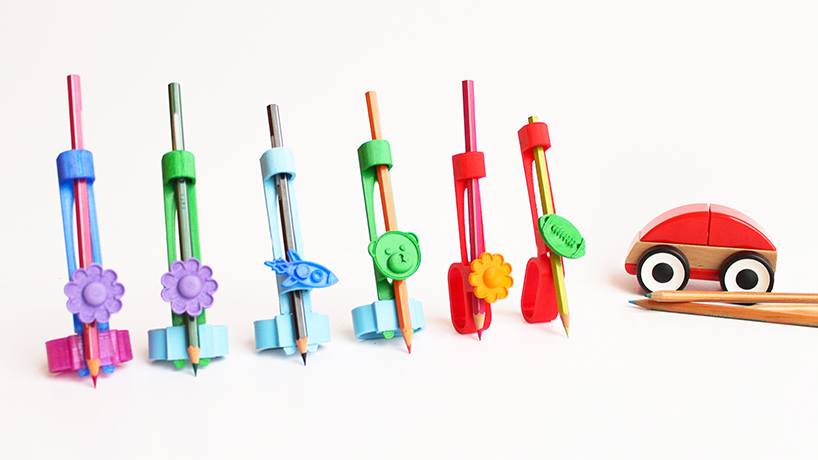
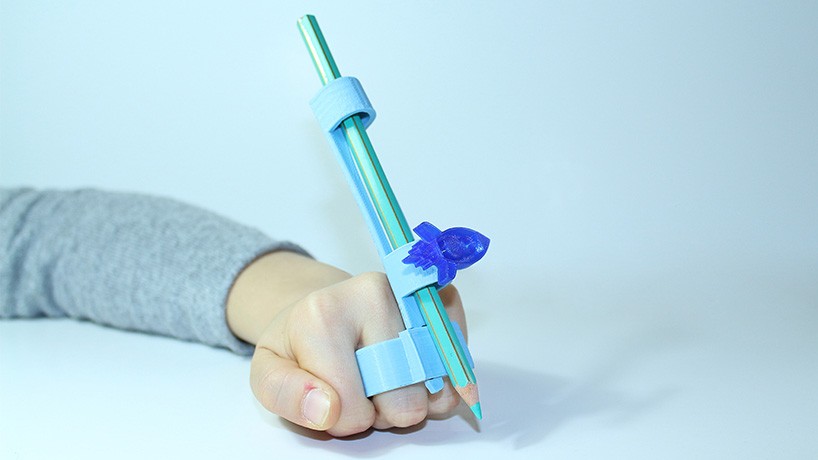
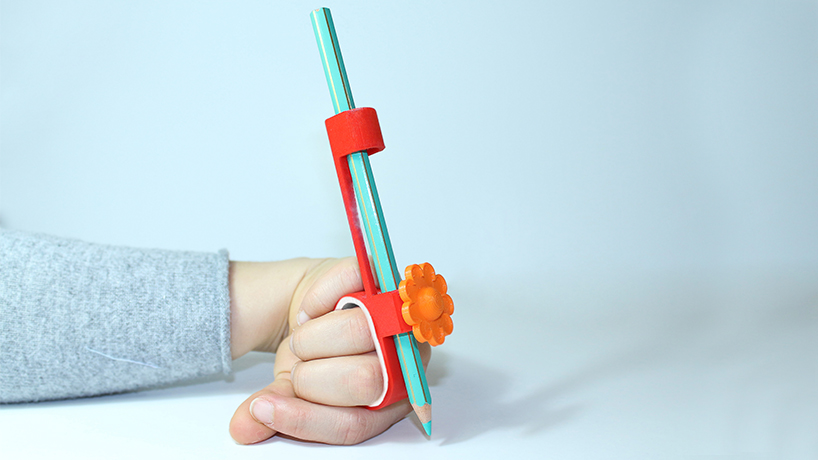
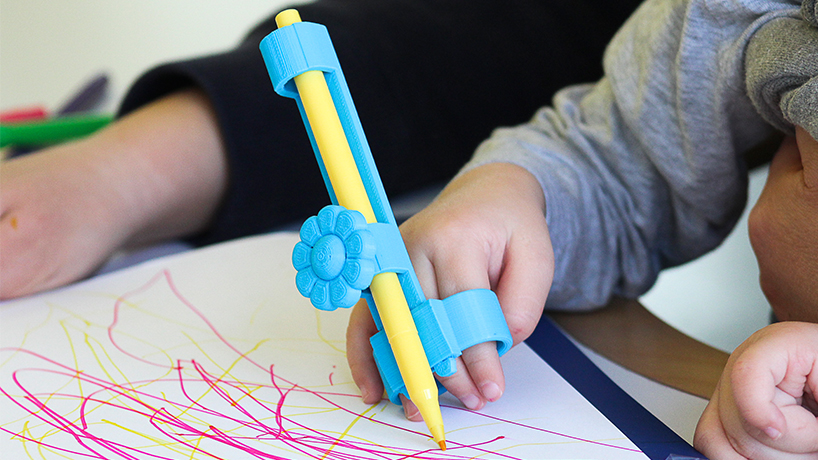
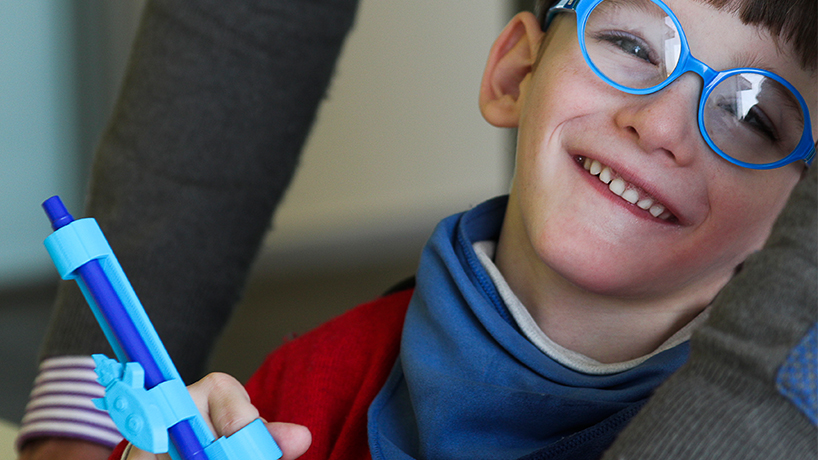
Team Collaborates To Help Disabled Children With Customizable & Adorable Writing Utensils
A team of talented designers has collaborated to make valuable and life changing tools derived from 3D technology. The project was conceived in association with Milan-based rehabilitative organisation TOG (Together to Go) and Open Dot Milano., which helps children with disabilities, cognitive, motor or other impairments. The customizable writing utensils give these kids the opportunity to effectively use their motor skills, since they often have trouble with the micro movements applied when writing or drawing.
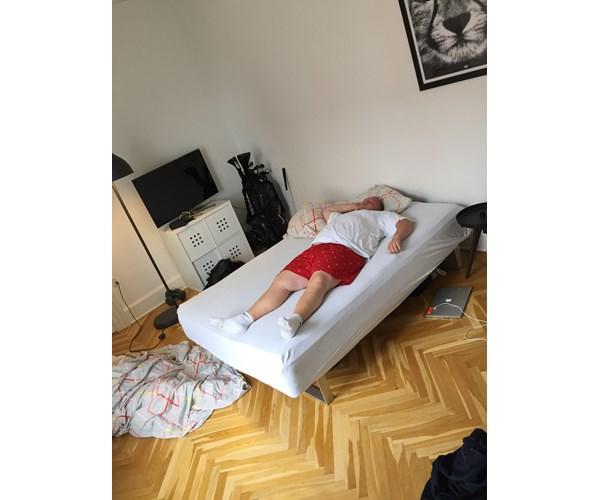
THIS ACTUALLY HAPPENED I was house shopping and it was like 2 in the afternoon and there was an appointment and everything and we walked into this pit of a bedroom and there was a guy sacked out on a mattress on the floor.
OOPS.
Me too! It was the weirdest house viewing I ever had – most of it was conducted at high speed with them (mum? and some kids) just swinging open a door and saying “bedroom” or “bathroom” (it was a student house), then shutting the door quickly. They swung open a door and there’s this guy spreadeagled on the floor, just wearing boxers, and the lead shower just said “bedroom” and shut the door again.
And there’s about 4 of us friends stood there, looking completely confused then hurrying after her as she virtually sprinted to the kitchen.
Where she said “kitchen” and we looked in and saw a washing machine and tumble drier filled with old newspapers. And a small crowd of people around a table. Then she shut the door again.
Then she hustled us out of the house, and they all stared at us while we walked away. All the way down the street.
Mom bought a thing and did it to my hair. Featuring the “Shades does not know how to selfie” face.
Don’t believe the short hair. The short hair is a lie. She wrapped it around and around and around and now I’m wearing it to the session because I’m afraid of taking it off.