“[I]t is actually more expensive to be poor than not poor. If you can’t afford the first month’s rent and security deposit you need in order to rent an apartment, you may get stuck in an overpriced residential motel. If you don’t have a kitchen or even a refrigerator and microwave, you will find yourself falling back on convenience store food, which—in addition to its nutritional deficits—is also alarmingly overpriced. If you need a loan, as most poor people eventually do, you will end up paying an interest rate many times more than what a more affluent borrower would be charged. To be poor—especially with children to support and care for—is a perpetual high-wire act.”
Category: Tumblr crossposts
Crossposts from tumblr (for posterity)
-
-
azzandra replied to your post: “I am far from a WoW lore dork, but I can’t help but internally squeal…”:
Wait what what, Maiev shows up? Where does she show up, is this in Legion?
Under the cut for #world of warcraft spoilers:
-
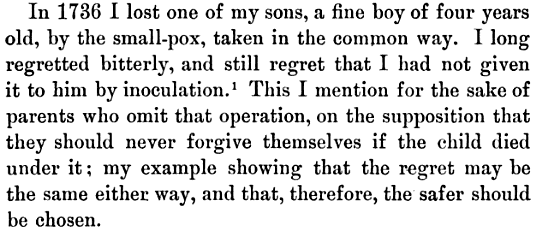
222 years later, Benjamin Franklin’s message about vaccination matters more than ever
This is as close as you’re gonna get to a dead ancestor appearing in the sky and telling you to get your shit together
-
As many as 20,000 people expected for arrival of tribal canoes
As many as 20,000 people expected for arrival of tribal canoes
By Lisa Pemberton
Out of the woods, a temporary city has begun to take shape on the Nisqually reservation near Yelm.
Crews
are building nearly a dozen white tents — some as large as 50 by 125
feet — on a nearly 40-acre site where the weeklong Canoe Journey 2016
Paddle to Nisqually “protocol” celebration will take place. Tribal
officials estimate the event, a week after the Canoe Journey’s landing
ceremony in Olympia, will attract as many as 10,000 people to the
reservation. Many are expected to camp out and stay in the area for the
duration of the culturally rich event.Nisqually tribal grounds and cemetery maintenance staff secure the
13-½-foot welcome pole at the entrance to the protocol area for the
2016 Paddle to Nisqually Canoe Journey.Steve Bloom
sbloom@theolympian.com“It’s coming together around here,” Nisqually tribal chairman
Farron McCloud said Tuesday as the tribe’s 13-and-a-half-foot-tall
hand-carved welcome figure was hoisted into place at the entrance of the
protocol site. “I’m loving it.”The welcome figure recently underwent a makeover with fresh paint to prepare for the flood of guests.
At
least 120 canoes hailing from tribes from Alaska, Canada and around the
Northwest are expected to land at the tip of the Port of Olympia
peninsula on Saturday as part of the 2016 Paddle to Nisqually Canoe Journey.
Some of the dugout wooden canoes have been making their way along the
traditional “saltwater highway” for nearly two weeks, with daily stops
hosted by coastal tribes, including the Quinault, the Nooksack and the
Suquamish.The centuries-old tradition of Northwest tribes all but
disappeared until it was revived in 1989 with the Paddle to Seattle,
which was part of the state’s Centennial celebration.It’s now an
annual tradition that promotes sobriety (it’s strictly a drug- and
alcohol-free event) as well as spirituality and community, organizers
say.“We’re just trying to rebuild our ancestral ways,” said Maury Sanchez, a member of the Nisqually canoe family.
The
Canoe Journey is helping keep Northwest tribal languages, songs and
stories alive, according to Nisqually tribal council secretary Sheila
McCloud. Ancient songs and dances have been returned, and younger tribal
members are learning tribal languages as they participate in the event.Because local tribes are so closely related, the canoe journey atmosphere can resemble a family reunion.
“This is a big part of our history,” Sheila McCloud said. “This is how we lived, and this is part of our culture.”
The
tribe has been preparing for the event for more than a year. It
partnered with the Port of Olympia and the city of Olympia for the
landing ceremony on Saturday, which organizers say is expected to draw
18,000 to 20,000 participants and spectators.Many of the landing
logistics — including some road and boat ramp closures in the area —
will be similar to those the port and city used in 2012, when the
Squaxin Island Tribe hosted the Canoe Journey, according to Jennie
Foglia-Jones, a spokeswoman for the port.“We’re kind of just using that model because it worked well in 2012,” she said.
Here’s what you need to know about the landing event:
Times:
The landing ceremony, in which canoe families ask for permission to
come ashore, often in their native language, is expected to take several
hours. The event opens at 10 a.m. and the canoes are expected to begin
arriving about 1 p.m. In 2012, the landing ceremony was finished by
about 7 p.m., Foglia-Jones said. This year, volunteers are scheduled to
stay at the event until 9 p.m.Parking and free shuttle:
The public can find parking in designated downtown parking lots or on
the street. Access to Marine Drive will be restricted beginning at the
Marine Drive-Jefferson Street intersection and the Market
Street-Franklin Street intersection, where a free shuttle service will
begin at 10 a.m. The DASH bus will run its regular route with stops at
the Olympia Farmers Market.Seating: The port is
setting up bleachers that will hold about 3,000 people. The seating is
not shaded, and priority should be given to tribal members, Foglia-Jones
said.“If you want to bring your own chairs, that’s a great idea,” she said.
Launch ramp-moorage closures:
The Swantown launch ramp will be closed on Saturday. The nearest launch
ramp is Boston Harbor Marina. Swantown and Port Plaza guest moorage
will be reserved for support boats from Friday through Aug. 8.Boat launch ramp parking: The Swantown boat launch ramp parking lot will remain closed through Tuesday (Aug. 2).
Limited access: Access
will be monitored by local law enforcement from 8 a.m. until the event
is over on Saturday. Access will be denied to those without a valid
Swantown Marina Parking Pass.Vendors: Food and
merchant vendors will be available at the site, and the Anthony’s
Hearthfire Grill will remain open, with reservations recommended.Green event: Attendees are encouraged to bring their own water bottles. “We are going to have water refilling stations,” Foglia-Jones said.
Expect sun:
The National Weather Service’s forecast for Olympia on Saturday calls
for partly sunny with a high in the upper 70s. There isn’t going to be a
shaded area for viewing that’s available to the general public. “Bring
hats and sunscreen and stuff to keep yourself comfortable,” Foglia-Jones
said.Cultural meaning: Although there will be
vendors and tribal songs and dances, it’s important to remember that the
landing event is a cultural ceremony, not a festival, Foglia-Jones
said.There may be times when cameras and video devices aren’t allowed, organizers said.
“It
really is the tribe’s event and it’s a very cultural and spiritual
event and they’re kind enough to allow people to come witness it,”
Foglia-Jones added.Follow along: According to a
map posted on the canoe journey Facebook page, the canoes are scheduled
to arrive at Muckleshoot on Wednesday and Puyallup on Thursday. After a
one-night Puget Sound Marina stopover, they are scheduled to arrive at
the Port of Olympia at about 1 p.m. Saturday. Many of the events are
scheduled to be livestreamed by the tribe.There are still numerous opportunities to volunteer and get involved with the preparations. To learn more about the Canoe Journey and its related events, go to www.paddletonisqually.com.
It’s Paddle to Nisqually 2016! Hope to see area folks on Saturday. :D
-


One First Lady was actually told she belongs “in the kitchen.”
I really, really want to hear all of these things said about Bill Clinton
-
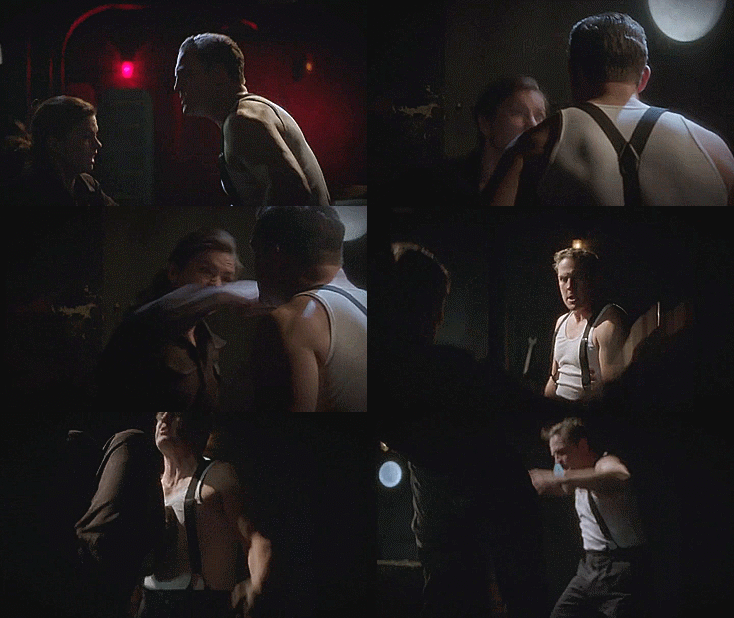
tell me again about how peggy carter never taught steve rogers how to fight?
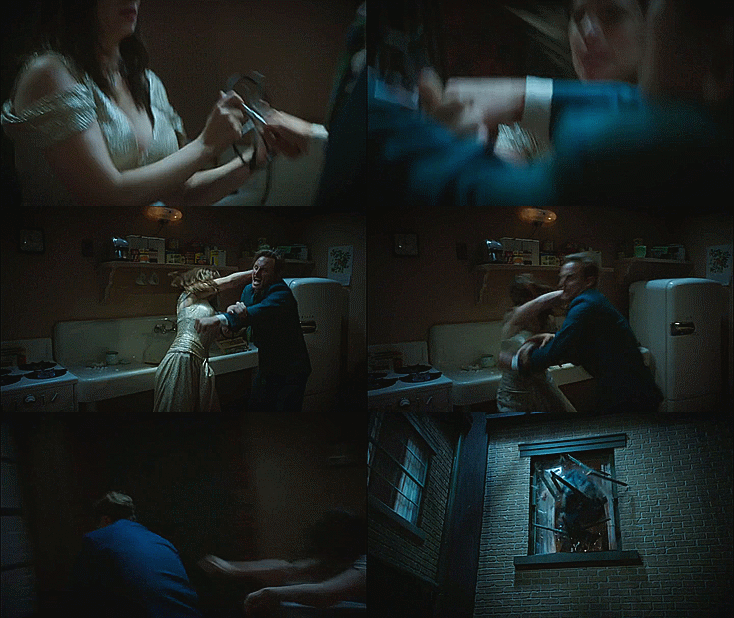
you
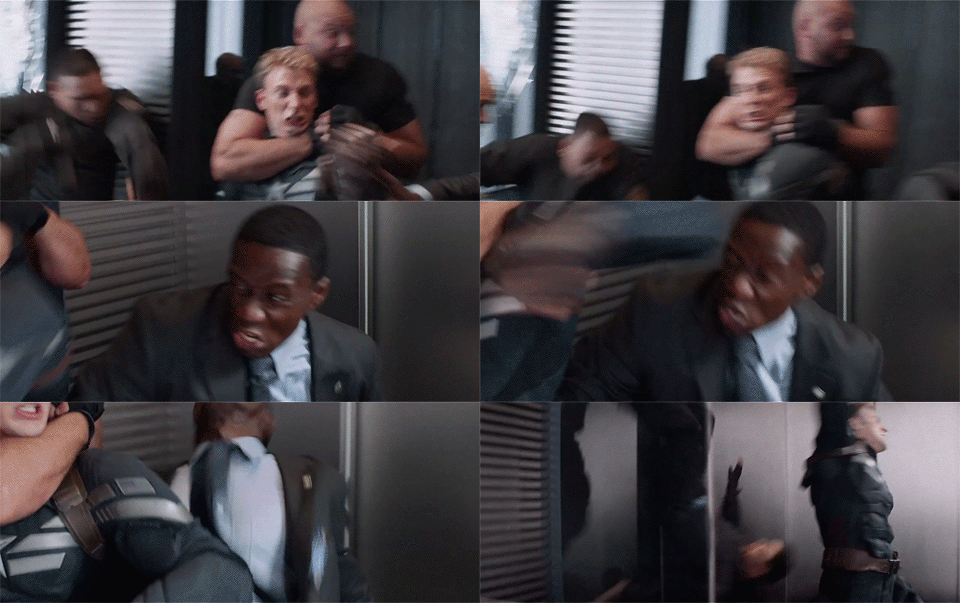
clearly
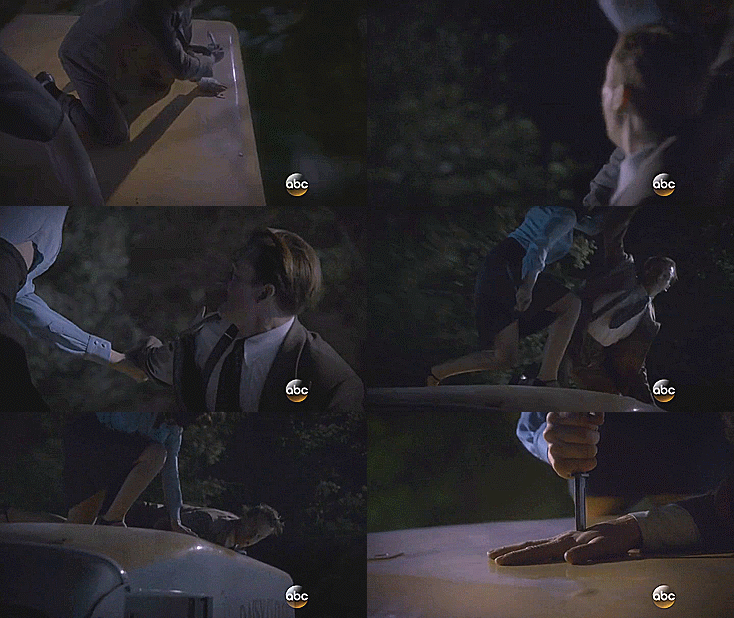
aren’t
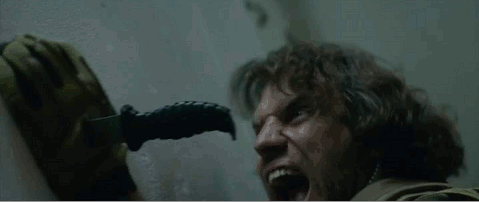
paying

enough

attention
dear

She taught Steve before he was big. She didn’t know (and if she had an idea, she definitely didn’t know for certain) that he was ever going to get big. She taught little Steve Rogers how to fight, because everyone else at basic training treated his presence like a joke, and because she was hands down the most qualified.
Or course Steve already knew how to fight, but he knew how to fight like a big muscular person, which he wasn’t. Most of his knowledge of fighting came from being hit by other people, by bigger people, by men. You can bet Bucky tried to teach him, but Bucky was big and strong and not qualified to know what would work best for STEVE.
Peggy Carter taught Steve to fight within his abilities, within his limitations, USING his size to his advantage. Be fast, be resourceful, bend your knees and get low and use their momentum against them, and when it gets serious fight dirty.
Peggy Carter taught Steve Rogers to fight like a woman, and that is why he always fucking wins.
This commentary is the greatest fucking thing.
-
Pokemon Go players: you have 30 days from signup to opt out of binding arbitration
Pokemon Go players: you have 30 days from signup to opt out of binding arbitration
Since I know some of my friends are into this… seems kind of important to share.
-

welcome to chinese 101
this. fucking. language.
Holy shi… I know the concept that everything depends on intonation, and the way something’s said completely changes the word, but… Chinese (in any of its dialects) scares me. :-o
Wenn hinter Fliegen Fliegen fliegen, Fliegen fliegen Fliegen nach.
-
i am having a significant amount of trouble finding enough information on men’s wigs/hair care in the 18th century. a lot of the same information keeps getting repeated. here’s what i want to know:
- did hamilton wear a wig or powder his hair? at the very least it doesn’t look like he’s wearing one in the ezra ames portrait, but that would’ve been when wigs had pretty much gone out of style. i mean, after studying a bunch of portraits i’m under the impression that it’s his natural (fairly curly) hair, but i really don’t know.
- if someone powdered their hair, how often did they do so and how often did they remove the powder? i know it was messy and greasy, it seems difficult to sleep in.
- if a man wore a wig, did he always shave his real hair?
- did men sleep with their hair in a queue? did they use some kind of hair net to keep their pillows clean?
honestly, if you know the answer to any of these questions (or if you just have some thoughts to add) hmu. i swear there’s a reason i’m asking, though it’s not a very good reason.
Hamilton powdered his hair. His son James remembered that his father had basically a daily hairdresser who powdered, pomatumed, combed, platted, and clubbed his hair back in a queue. That kind of hair styling had the potential to take a couple of hours. It was generally believed at this time that the hair powder is what kept the hair clean.
I can’t find info on how often they removed the powder, but to keep their pillows clean when their hair was powdered, they wore night caps,
*cracks knuckles* Finally, my time has come! *uses interest in 18th Century fashion and grooming for good and not for evil*
A typical hair care and styling regimen for women, and fashionable men who did not wear wigs, in the 18th century was:
1. Take down your hairdo at the end of the day, massage a small amount of pomatum, a mixture of mutton fat, lard, and aromatic oils such as clove and lemon, into the hair and scalp, add powder, and brush vigorously for quite some time. The effect is similar to contemporary dry shampoos. Although very rarely, if ever, washed with water and soap, this routine effectively cleans the hair and scalp without stripping natural oils and leaving it full of texture and body and enough oils to make styling easier– squeaky clean, freshly shampooed hair is notoriously hard to style, especially in elaborate updos and curls. Men and women alike wore nightcaps to protect their bedding from any powder or pomatum that might be left and probably also to help prevent long hair from getting too messed up. Unlike women, men might not undo their hair every night, and would wear hairnets to help preserve their style overnight.
2. In the morning, more powder was added before brushing. Powder was made of finely ground starch, bones, and clay, along with aromatic powders such as orris root. Women who wished to achieve towering ‘dos rolled sections of their hair over fluffy pads and added curls with curling irons. Men usually did not have the towering hairdos, but definitely would have added curls with a curling iron, if they had the luxury of a hairdresser (I read that Hamilton had a hairdresser come to his house every day, so he may have added curls sometimes). If a lighter white color was desired, the hairdresser would apply more powder to the finished style with a large puff while their client covered their face with a cone-shaped piece of paper so it didn’t also get powdered.
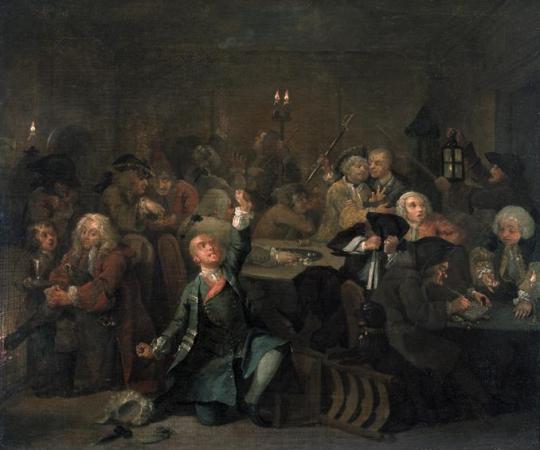
3. Wigs. Contrary to popular belief, women achieved many of their towering hairstyles without wigs. Most women wore their own, natural hair with, perhaps, extensions to bulk it out a bit if necessary. However, most of the popular, everyday styles could be achieved simply with waist-length hair, pads, and curls. Men, on the other hand, routinely wore wigs. Covering baldness was a big part of wigs’ popularity among men, but also, the time involved in styling hair may have interfered with men who had business, politics, and other important matters to attend to. Wigs could be sent off to a professional for regular maintenance and simply plopped on the head in the morning, like a hat. Men who wore wigs usually kept their natural hair cut very short, or even shaved, as in this picture from Hogarth’s “A Rake’s Progress”, where the main character has let his wig fall to the floor:
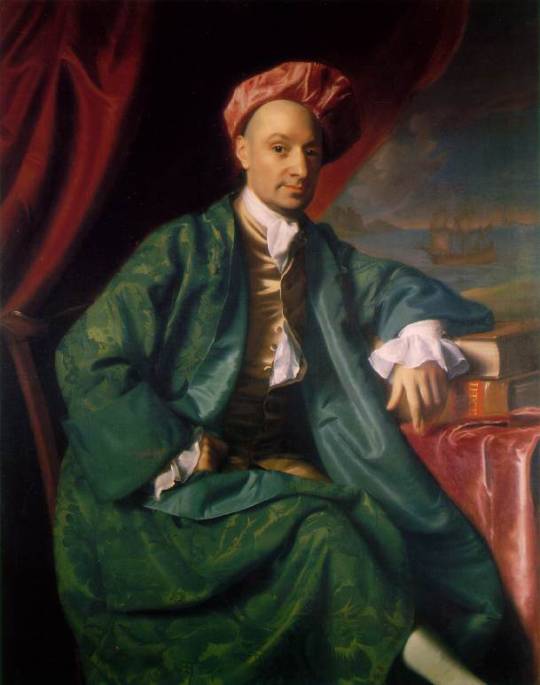
And this handsome gentleman, lounging at home in informal leisure wear– a banyan and nightcap:
Because wigs were expensive, they marked social class, with the most elaborate styles that required the most upkeep for the wealthy and the fops, and simpler styles that varied according to occupation and income.
By the late 1700s, however, wigs were already on their way out. Men of all social classes preferred styles that were fairly simple, and by the 1780s, natural, lightly powdered hair was preferred. In most of the portraits of the Founding Fathers and others who fought in the American Revolution, for example, you see that they are wearing their natural hair, not wigs.
Hamilton, ca. 1780– this is his own hair (I’m assuming, because the hairline is consistent with other portraits and he was probably too poor to even own a wig at this point), but it has been styled to look very much like the popular wig styles of the 1770s-early 80s: brushed back from the forehead, rolled over a pad or simply bulked up with enough pomatum and powder to make a nice roll near the ears, and tied in either a queue or bag in the back:
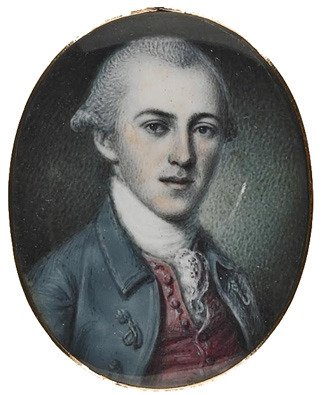
Which is, incidentally, how George Washington wore his hair, and since Hamilton was his Aide de Camp at the time this portrait was painted, it’s not surprising he wears the same style as his commander.
By 1800, he was wearing his hair like this:
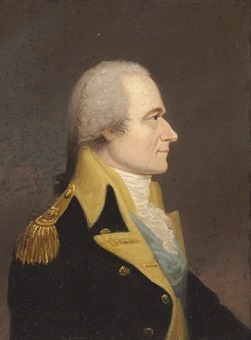
It looks to me like the sides have been curled or rolled vertically to frame his face, while the back is combed flat and tied in a low queue.
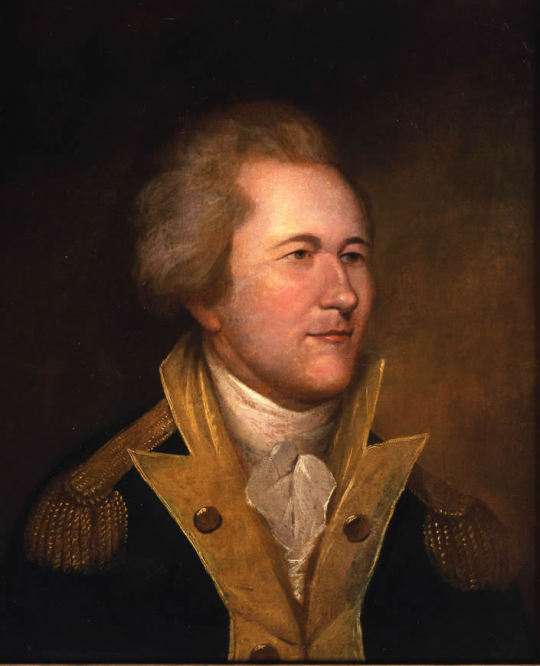
This is another view of the same general style. You see the lightly powdered hair brushed up and fluffed a bit with the help of pomatum and powder for volume and hold over his head and around his face. You can see that by the late 1700s-early 1800s, men’s hair was fairly natural-looking, and required a minimal amount of styling and maintenance.
In England, in the 1790s only older men and women being presented at court wore wigs, and in 1795, the British government levied a tax on hair powder that basically ended powdered hair and fashions that relied upon it. However, powdered hair was already mostly over in the US, France and with political progressives in England because of the revolutions: elaborate, powdered hairstyles were associated with aristocracy.
Further reading:
http://twonerdyhistorygirls.blogspot.com/2014/07/the-truth-about-big-hair-of-1770s-part_24.html
http://historyoffashiondesign.com/18th-century-mens-hair-and-wigs/
https://livesandlegaciesblog.org/2015/01/28/perukes-pomade-powder/
Great post thanks
Is this the historical hair side of tumblr? Or does it just count as the history side of tumblr, with an emphasis on hairstyles?